“A goal properly set is halfway reached.” — Zig Ziglar
Introduction – SMART Goals: How to Set Goals You Can Actually Achieve
Have you ever set yourself a goal with the best of intentions, only to lose motivation after a few weeks? You’re certainly not alone. Whether you want to declutter your home, get organised, improve your health, or save money, the way you set your goals can make all the difference.
One of the most effective methods for setting achievable goals is the SMART framework. Instead of vague aspirations like “I want to be more organised,” SMART goals help you create a clear plan that keeps you focused and motivated.
What Are SMART Goals?
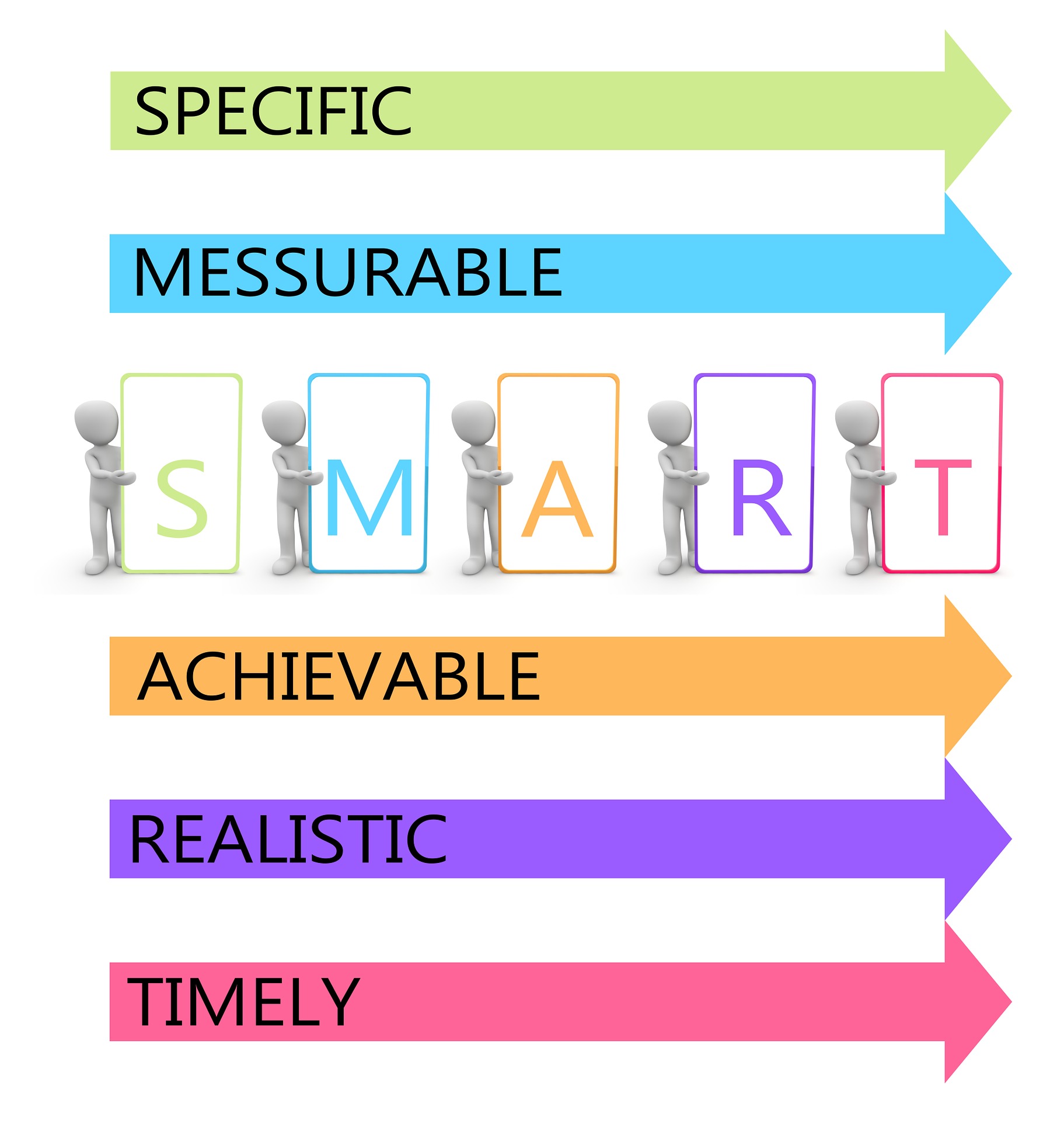
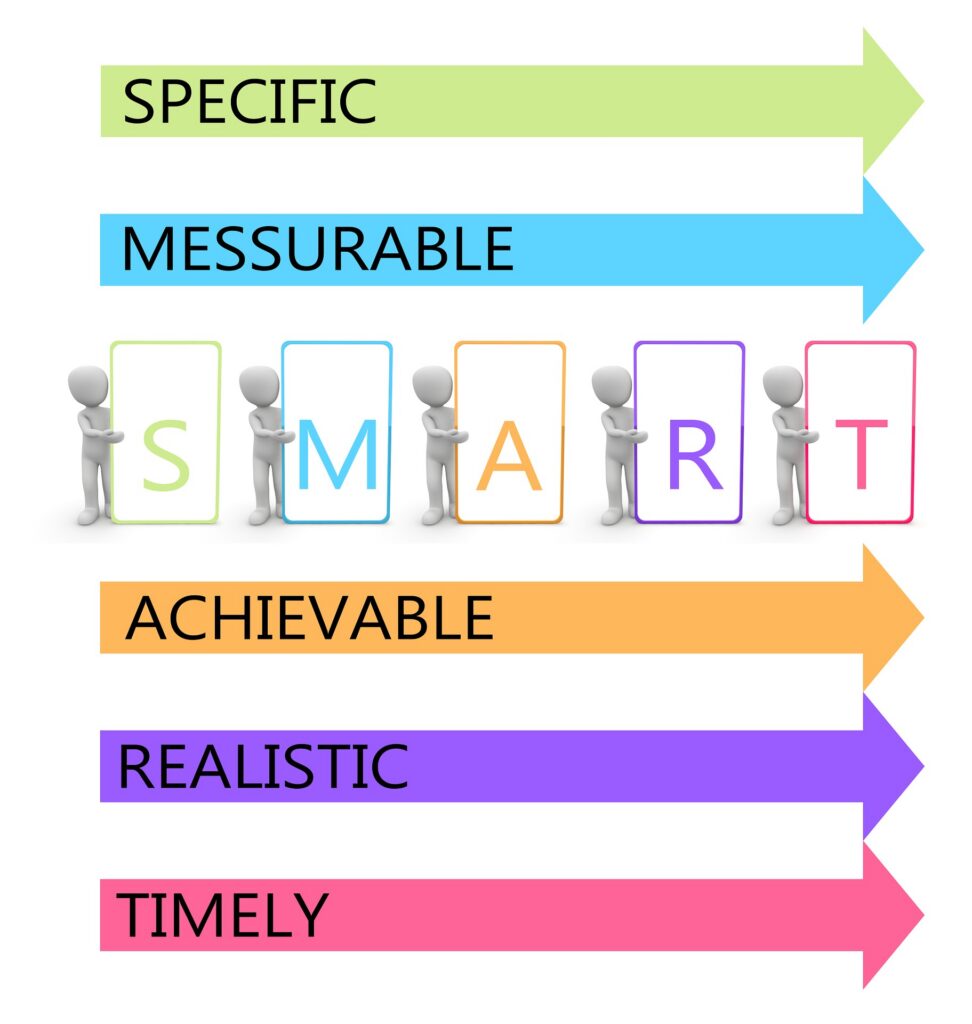
SMART is an acronym that stands for:
- Specific
- Measurable
- Achievable
- Relevant
- Time-bound
Each element helps turn a wish into an actionable plan.
S – Specific
A goal should be clear and well-defined. The more specific you are, the easier it is to know what you’re working towards.
Instead of saying:
“I want to declutter my house.”
Try:
“I want to declutter the kitchen cupboards.”
Being specific removes uncertainty and gives you a clear starting point.
Ask yourself:
- What exactly do I want to achieve?
- Where will I focus?
- Why is this important?
M – Measurable
If you can’t measure your progress, it’s difficult to stay motivated.
Rather than saying:
“I want to read more.”
Set a measurable goal such as:
“I will read one book each month.”
Or instead of:
“I want to get organised.”
Try:
“I will sort and organise one drawer every Saturday.”
Measuring your progress allows you to celebrate small wins, which helps maintain momentum.
A – Achievable
Your goal should stretch you, but it shouldn’t be unrealistic.
If you’ve accumulated years of clutter, expecting to organise your entire home in one weekend is likely to end in frustration.
Instead, set a goal like:
“I will spend 20 minutes decluttering every weekday.”
Small, consistent actions often produce better long-term results than ambitious bursts of activity.
Remember, progress is more important than perfection.
R – Relevant
A goal should matter to you and fit your current priorities.
Ask yourself:
- Why do I want to achieve this?
- How will this improve my life?
- Is this something I genuinely want?
For example, if your aim is to reduce stress, decluttering your home may be highly relevant because an organised environment can make everyday life feel calmer and more manageable.
When your goal aligns with your values, you’re much more likely to stick with it.
T – Time-bound
Without a deadline, it’s easy to keep putting things off.
Compare these two goals:
❌ “I’ll organise my paperwork someday.”
✅ “I will organise my paperwork by the end of next month.”
A deadline creates urgency and helps you prioritise your goal.
If the goal is large, break it into smaller milestones with their own deadlines.
A SMART Goal Example
Let’s say your overall aim is to declutter your home.
A SMART version might look like this:
Specific: I will declutter my wardrobe.
Measurable: I will remove at least 30 items I no longer wear.
Achievable: I will spend 30 minutes every Tuesday and Thursday sorting my clothes.
Relevant: A simpler wardrobe will save me time getting dressed and reduce decision fatigue.
Time-bound: I will complete this within four weeks.
Suddenly, a vague intention becomes a practical plan.
Why SMART Goals Work
SMART goals increase your chances of success because they:
- Provide clarity.
- Break large tasks into manageable steps.
- Make progress easy to track.
- Increase motivation.
- Reduce overwhelm.
- Build confidence through small successes.
Instead of wondering where to start, you’ll always know your next step.
SMART Goals for Decluttering
If you’re trying to create a more organised home, here are a few examples:
- Declutter one kitchen cupboard every Saturday for the next month.
- Donate one bag of unwanted clothing by the end of the week.
- Spend 15 minutes every evening clearing paperwork until the dining table is clutter-free.
- Sort one box of photographs every Sunday for the next six weeks.
- Unsubscribe from five unwanted marketing emails every day until your inbox is under 100 emails.
Notice how each goal is clear, realistic and has a deadline.
Tips for Success
SMART goals are most effective when you:
- Write them down.
- Review your progress regularly.
- Celebrate small achievements.
- Adjust your goals if circumstances change.
- Focus on consistency rather than perfection.
Life doesn’t always go to plan, and that’s perfectly normal. The important thing is to keep moving forward, even if progress is slower than expected.
Final Thoughts
Setting goals is easy. Achieving them is often the challenge.
By using the SMART framework, you give yourself a clear roadmap rather than relying on motivation alone. Whether you’re organising your home, building better habits, or simplifying your life, SMART goals can help you make steady, meaningful progress.
Remember, lasting change rarely happens overnight. Small, intentional steps taken consistently over time often lead to the biggest transformations.
So instead of asking yourself, “What do I want to do?” ask yourself, “What’s my SMART goal?” Your future self will thank you.
trabantbettina

Bettina Anna Trabant, Founder of Life Organised, your professional organising and decluttering service in East London. Eco-conscious minimalist and avid tea drinker,