Merry Christmas
Introduction: German Christmas Traditions
Christmas in Germany (Weihnachten) is rich in history, symbolism, and regional customs. Many traditions now practised around the world—such as Christmas trees, Advent calendars, and festive markets—have their roots in German-speaking lands. The season is not limited to Christmas Day itself but unfolds gradually throughout Advent, creating a period filled with anticipation, warmth, and community.
Advent: The Beginning of the Season
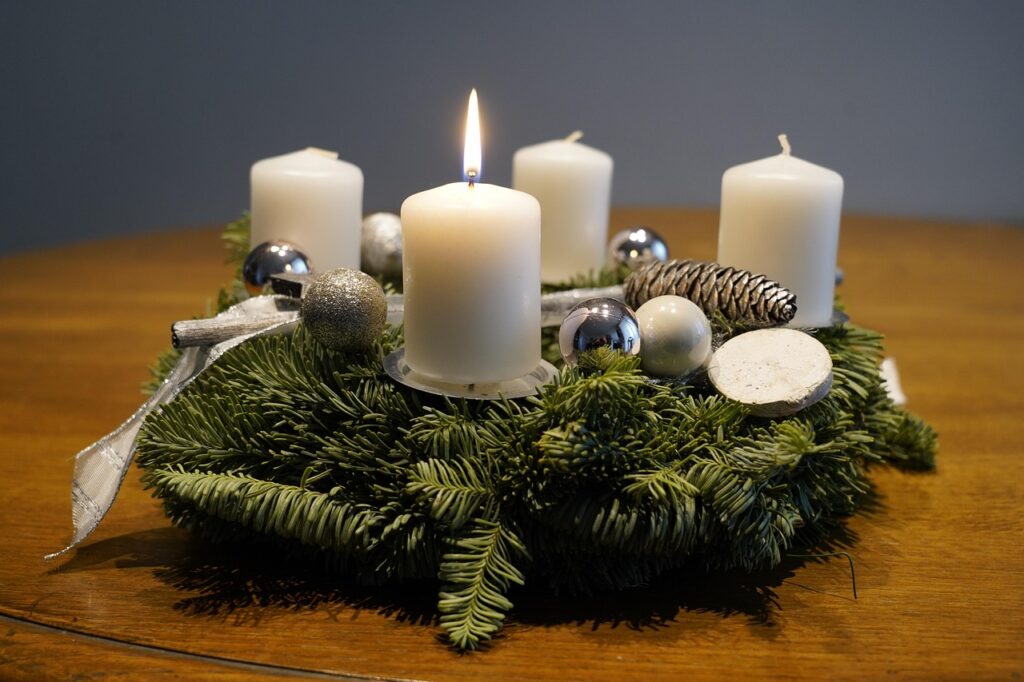
The German Christmas season officially begins with Advent, the four weeks leading up to Christmas. People decorate their homes with Advent wreaths (Adventskranz), circular arrangements of evergreen branches holding four candles. One candle is lit on each Sunday of Advent, symbolising hope and the growing light as Christmas approaches.
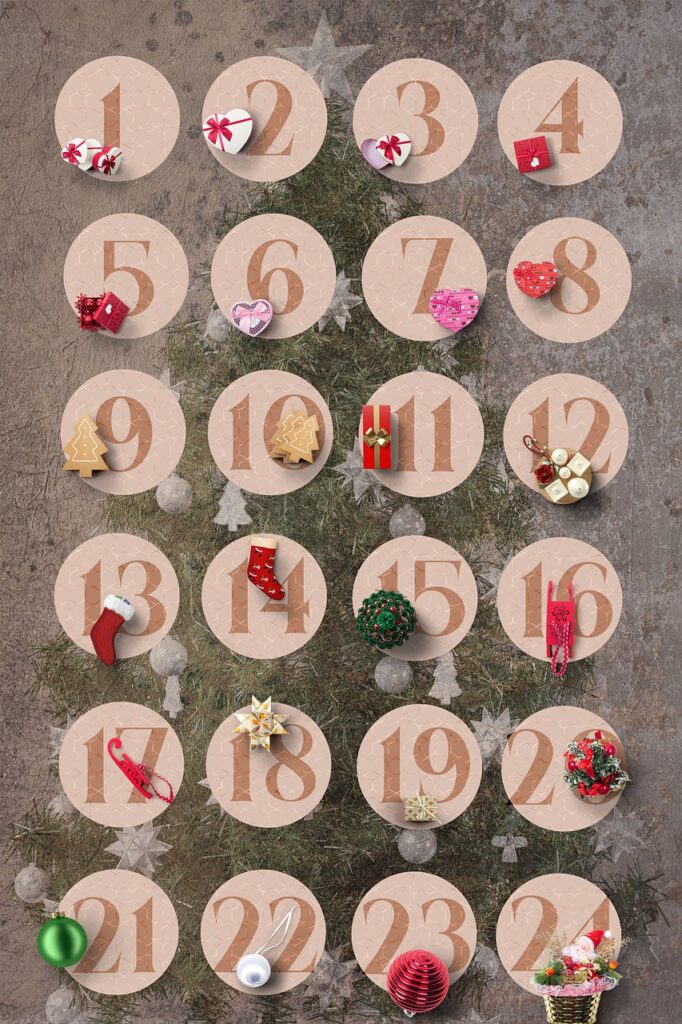
Children especially look forward to Advent calendars (Adventskalender), which mark each day from December 1st to 24th. Traditionally filled with small pictures or Bible verses, modern calendars often contain chocolates or small gifts.
Christmas Markets (Weihnachtsmärkte)
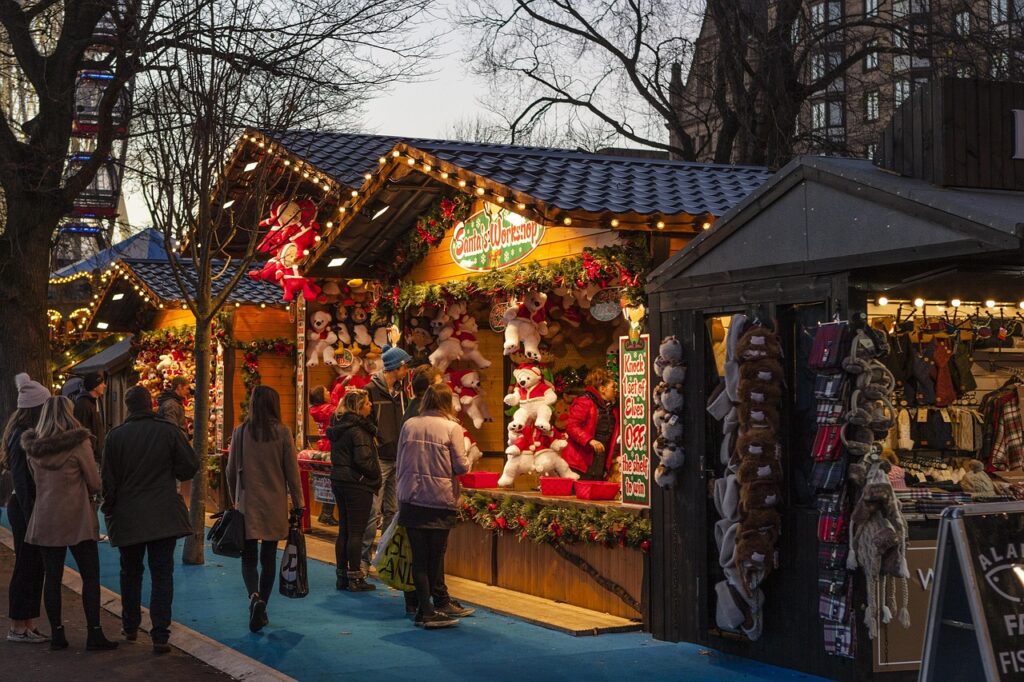
One of the most beloved German Christmas traditions is the Christmas market. These festive open-air markets take place in town squares from late November through Christmas Eve. Stalls sell handmade crafts, wooden toys, candles, and ornaments, alongside seasonal foods and drinks.
Popular treats include Lebkuchen (gingerbread), Bratwurst, roasted chestnuts, and Glühwein, a hot spiced wine that helps keep visitors warm. Famous markets can be found in cities such as Nuremberg, Dresden, Cologne, and Munich, each with its own regional specialities.
St. Nicholas Day (Nikolaustag)
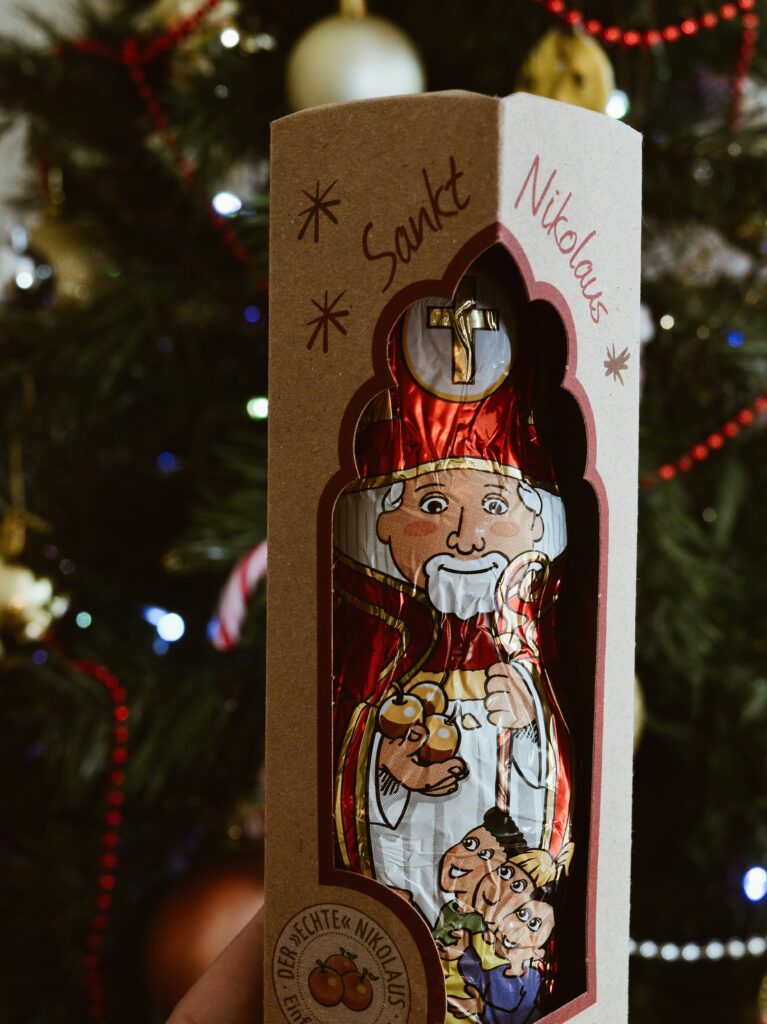
On December 6th, children celebrate St. Nicholas Day. The night before, they clean their boots and place them outside their doors or windows. If they have been well-behaved, St. Nicholas fills the boots with sweets, fruit, nuts, and small gifts. This tradition emphasises kindness and good behaviour rather than material rewards.
The Christmas Tree (Tannenbaum)
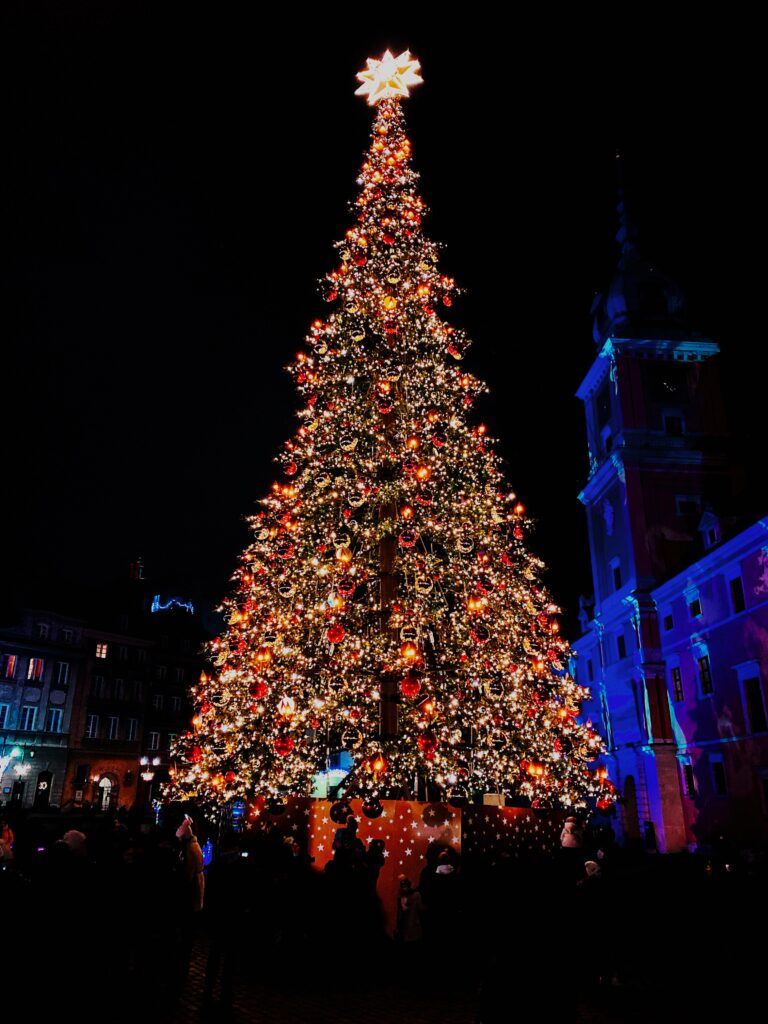
The Christmas tree, or Tannenbaum, is perhaps Germany’s most influential contribution to global Christmas customs. Trees are traditionally decorated on Christmas Eve (Heiligabend), not weeks in advance. Decorations often include glass baubles, wooden ornaments, tinsel, and real candles—though electric lights are now more common for safety reasons.
Families often gather around the tree to sing traditional carols such as “O Tannenbaum” and exchange gifts.
Christmas Eve (Heiligabend)
In Germany, Christmas Eve is the most important day of the holiday. Families attend church services, especially late-night services, and then return home for a festive, but usually simple, meal. Typical dishes include potato salad with sausages, carp, or sausages with sauerkraut, depending on the region.
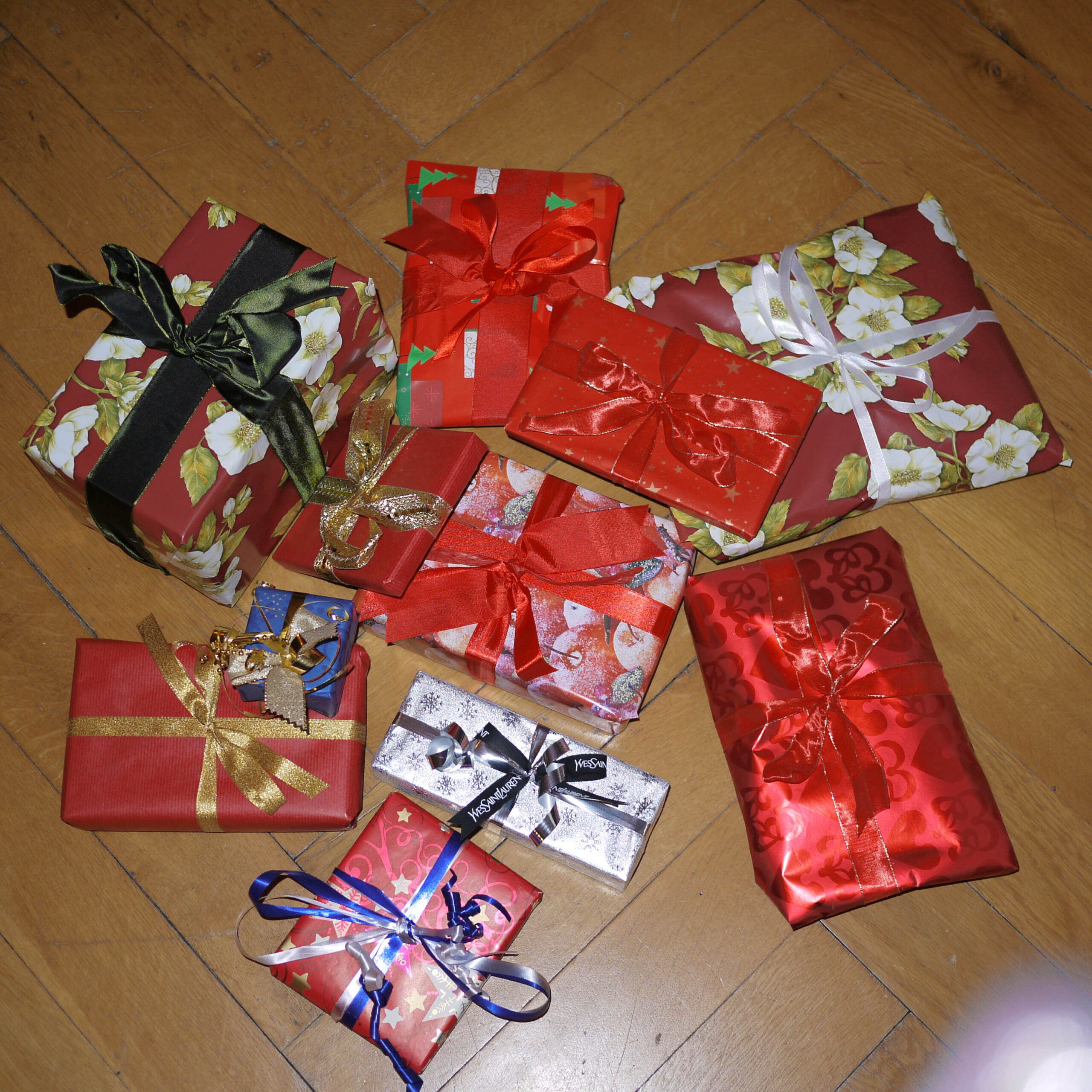
Gift-giving also takes place on Christmas Eve, typically brought by the Christkind (a child-like angel figure) or Weihnachtsmann (Father Christmas), depending on regional tradition.
Christmas Day and St. Stephen’s Day
Christmas Day (December 25th) and St. Stephen’s Day (December 26th) are public holidays in Germany. These days are quieter and more family-focused, often centred around elaborate meals featuring roast goose, duck, or venison, accompanied by red cabbage and dumplings.

Regional Traditions and Decorations
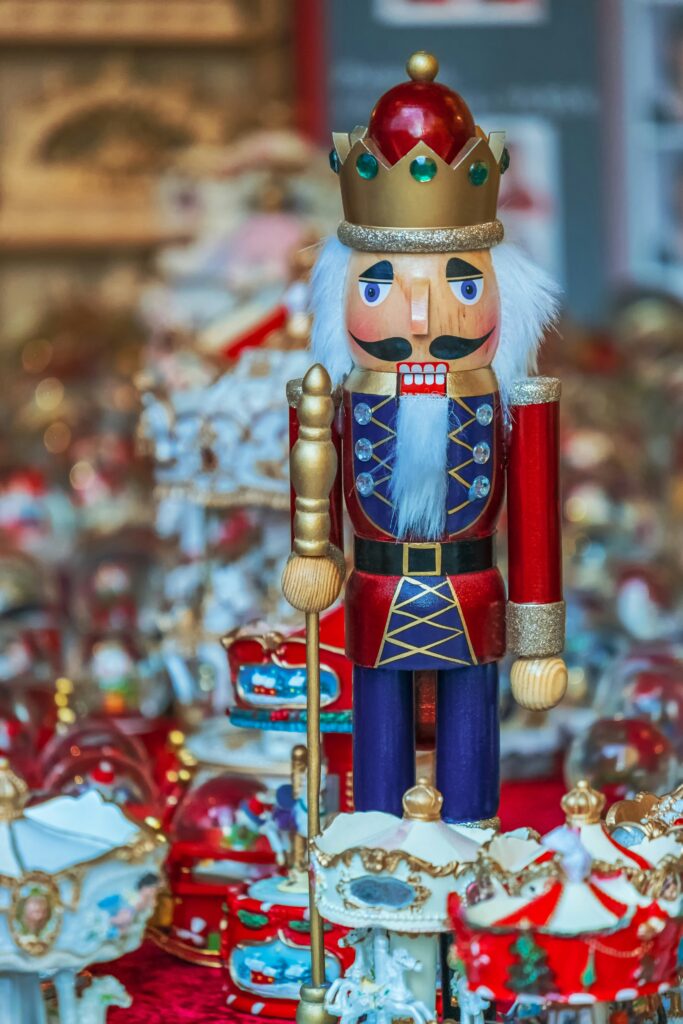
Germany is known for its regional Christmas customs. In the Ore Mountains (Erzgebirge), wooden decorations such as nutcrackers, smokers (Räuchermännchen), and Christmas pyramids (Weihnachtspyramiden) are popular. In southern Germany and Bavaria, nativity scenes (Krippen) play a significant role.
Conclusion
German Christmas traditions blend religious meaning, folklore, and community spirit. From the glow of Advent candles to the bustling Christmas markets and the quiet joy of family gatherings, these customs emphasise reflection, generosity, and togetherness. Their enduring charm has influenced Christmas celebrations far beyond Germany’s borders, making them an integral part of the global holiday season.
trabantbettina

Bettina Anna Trabant, Founder of Life Organised, your professional organising and decluttering service in East London. Eco-conscious minimalist and avid tea drinker,