“If Pac-Man had affected us as kids, we’d all be running around in dark rooms, munching pills and listening to repetitive electronic music.”― Marcus Brigstocke.
“I burned through all of my extra lives in a matter of minutes, and my two least-favorite words appeared on the screen: GAME OVER.”― Ernest Cline, Ready Player One.
“Life is more fun if you play games.”― Roald Dahl, My Uncle Oswald.
This is the first in a series of 12 self-experiments where I complete a different challenge for a month. Challenges include getting up at 5 AM, living without caffeine and much more. For January, I decided to stop playing silly games on my phone. Read on below to find out how I got on.
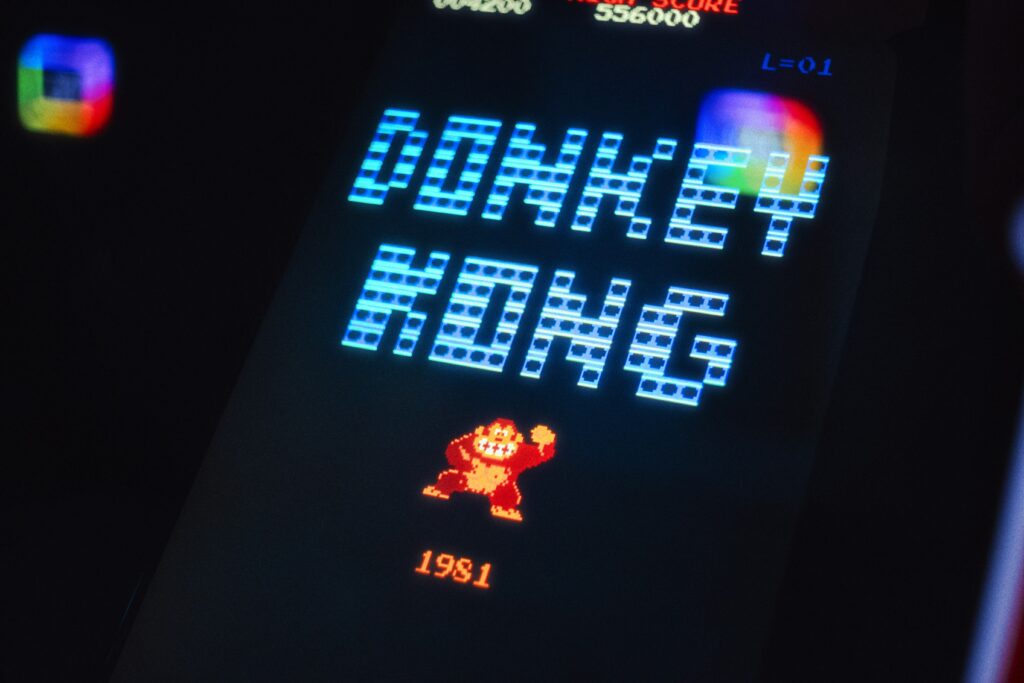
Although the history of video games dates back to the 1950s and 1960s, when computer scientists began creating simple games such as Spacewar!, video games really came into their own in the 80s. It was at this time that the first vaguely affordable home computers and gaming consoles came on the market.
It is at this time that my father and I move to America. 11-year-old me pleads with him to buy me a handheld games console. I remember it clearly, the device was bright yellow, the screen no larger than about 5cm by 3cm, and you could play one simple tennis game on it. Even the word ” tennis ” is perhaps too much. It had two vertical lines on either side of the screen, with a simple, pixelated dot in the middle.
My father, at first, wasn’t convinced, as it cost £100, which was a lot in those days, but he eventually caved—probably fed up with my constant nagging. After the 12-hour flight, he admitted to his mate that this game console was one of the best investments he had ever made, as it kept me quiet throughout the flight.
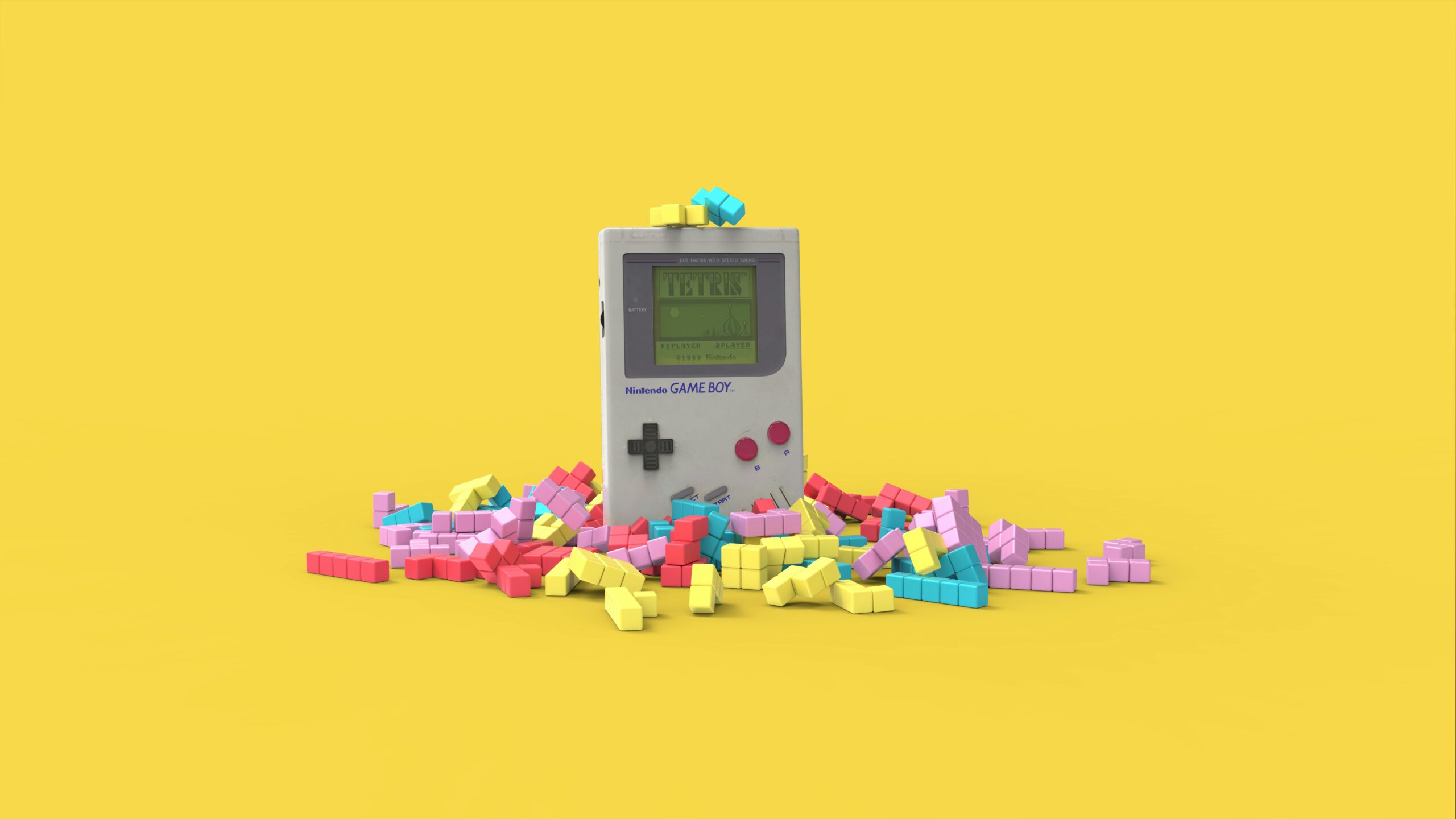
When we moved back to Europe, my sister had one of the first-ever Game Boys. It came with the infamous Tetris game. My sister saved up her pocket money for months to buy the then-popular Super Mario Land. Like all good sisters, we were on and off with each other, but when she was in a generous and kind mood, I was allowed to have a go on her Game Boy.
Occasionally, I would go round my friend’s house, who had an Amiga computer, and my friend, the naughty boy from next door, and I would take it in turn to play games while binging on crisps and fizzy drinks.
It was all quite harmless; we could only play as long as the batteries’ juice lasted, and we often got bored because none of us had more than a handful of games.
In 1996, my parents bought me my first laptop as a gift for passing A-Levels and being accepted at my uni of choice. The computer, a PowerBook 1400, had a built-in version of Solitaire. Both my mother and I overdid playing this game. I remember once dreaming about turning cards in my sleep.
But it was still harmless, as we could only play one at a time and only when physically at home.
Things start looking very different when I get my first Nokia 3310 and its built-in Snake Game. Hands up who was addicted to Snake, be honest! From the early noughties, everyone suddenly had a game in their pocket. Gaming was something everyone could do without buying expensive consoles or having a computer.
Mobile gaming advanced further with the advent of smartphones in 2007. Suddenly, you had more than just the built-in ones, but could download endless games.
The Cleveland Clinic defines video game addiction as follows:
Video game addiction, also called internet gaming disorder, is a condition characterized by severely reduced control over gaming habits, resulting in negative consequences in many aspects of your life, including self-care, relationships, school and work.
This condition can include gaming on the internet or any other electronic device, but most people who develop significant gaming issues primarily play online.
In 2019, the NHS opened its first and only gaming clinic. Since then, they have been seeing 745 people up to early 2023. The director of the NHS National Centre for Gaming Disorders, Professor Henrietta Bowden-Jones, said:
‘Gaming disorders can have a significant impact on children and their family to the extent it can take over and stop them from living their normal daily life…From avoiding school or work, engaging in violence, to family breakdowns, the harms to those suffering can be significant; but there is help from the NHS for those who need it.
In this article, I cannot go into the details of what causes gaming addiction. Based on my limited research, I believe scientists are still trying to determine the precise cause.
‘So far, researchers think the process of playing and winning video games may trigger a release of dopamine. Dopamine is a brain chemical (neurotransmitter) that plays a key role in several bodily functions, including pleasurable reward and motivation. Dopamine is the same neurotransmitter involved in other use disorders, including gambling disorder and substance use disorder.
Recent neurological research shows similarities in the brains of people with video game addiction and substance use disorders.’ –Cleveland Clinic.
Just to come out clean, I have no video game addiction; I am far removed from that, but I do play games on my phone. Real gamers would probably laugh at my choice of games, which include Two Dots, Solitaire and the like.
I have always played games to destress and as a way to pass the time when I am really depressed or anxious. I also have trauma related to quitting, so I find it hard to delete a game until I’ve completed every single level.
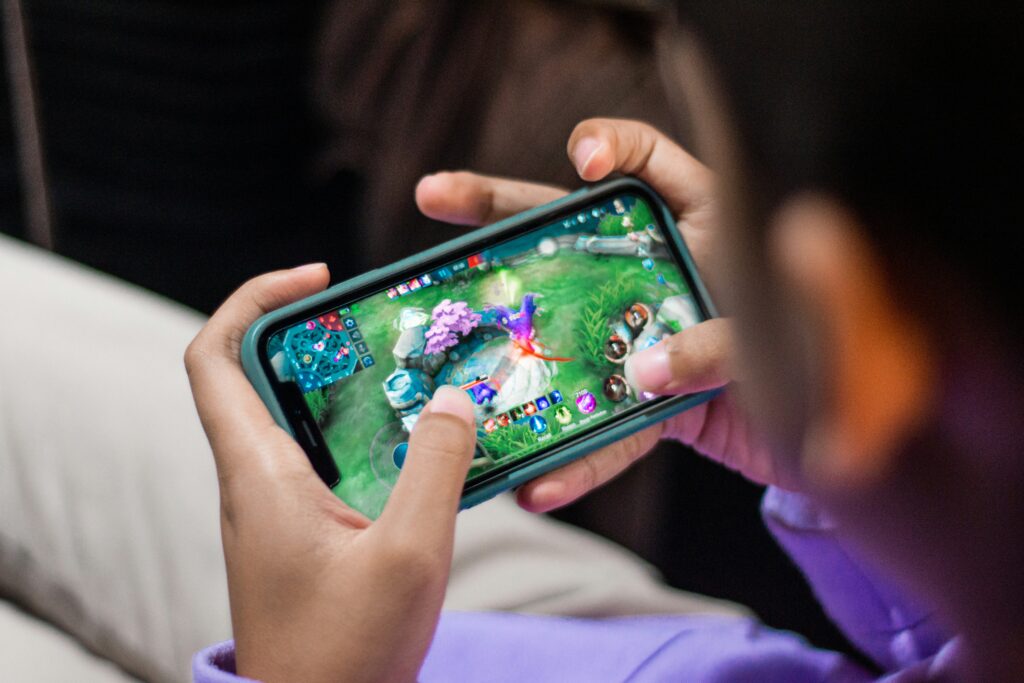
This January, I thought I’d start my self-experiment series, trying to see how I fare without playing any games on my phone or anywhere else. I will outline below how I got on.
While this article is not quite at the end of the month, I have so far not played a single video game or navigated to the games folder on my phone. It was easier than I thought.
I started the month in a depressed mood after receiving bad news, and was apprehensive for the first few days about how I would cope without the gaming distraction. I became particularly worried as I left my friend’s house to go home, since she had looked after me and held me through a difficult time. Thank you, Susi!
I had no one to talk to for a few days, especially my one night in Frankfurt, with no internet, no phone and only a TV with a grainy picture. Tired from travelling, so I couldn’t read either. I survived.
When I was back in London, I had friends, work, and other social activities to distract me from overthinking my life and my menopausal problems.
However, I don’t just play games during periods of distress; they also serve a purpose when I’m tired, killing time on a bus, or as an accompaniment to a boring bit of YouTube or film. Rather than doing nothing and just staring into space, I found I needed to compensate and turned to social media, especially Facebook, more often than I would in the past. I will do a social media detox later in the year, too.
I don’t think gaming is my downfall; more that I feel I need to be busy in some ways, and when not reading (I read well over 100 books last year), I need a distraction. So what I might do in the future is spend a month without my smartphone to distract me and see how I get on.
Next month, I’ll be doing a walking challenge. To find out more, follow me on Instagram, Facebook or BlueSky where I’ll be updating you throughout the month of February before writing my review for this blog.
trabantbettina

Bettina Anna Trabant, Founder of Life Organised, your professional organising and decluttering service in East London. Eco-conscious minimalist and avid tea drinker,