‘Less is more’ (Ludwig Mies van der Rohe)
Introduction – What are the Benefits of Practising Minimalism?]
Just as there is diversity within religious communities or disagreement over the definitions of socialism or feminism, minimalists come in all shapes and sizes.
If we look at some well-known proponents of minimalism, we find Joshua Becker, who has a family, a job and a house. Steve Jobs was an entrepreneur, a millionaire, and the founder of Apple. Benitta Larsson is a single woman in her 60s from Stockholm, Sweden.
There are minimalists who travel full-time, minimalists who live in a tiny house and minimalists who are rich. Minimalism is for everyone. Could it be for you?
Before delving into the benefits of a Minimalist Lifestyle, let me quickly recap what minimalism is.
What is Minimalism?
I have written about minimalism on my blog on various occasions, so I will only give a summary here. For a more in-depth analysis, check out my article entitled ‘What is Minimalism?’
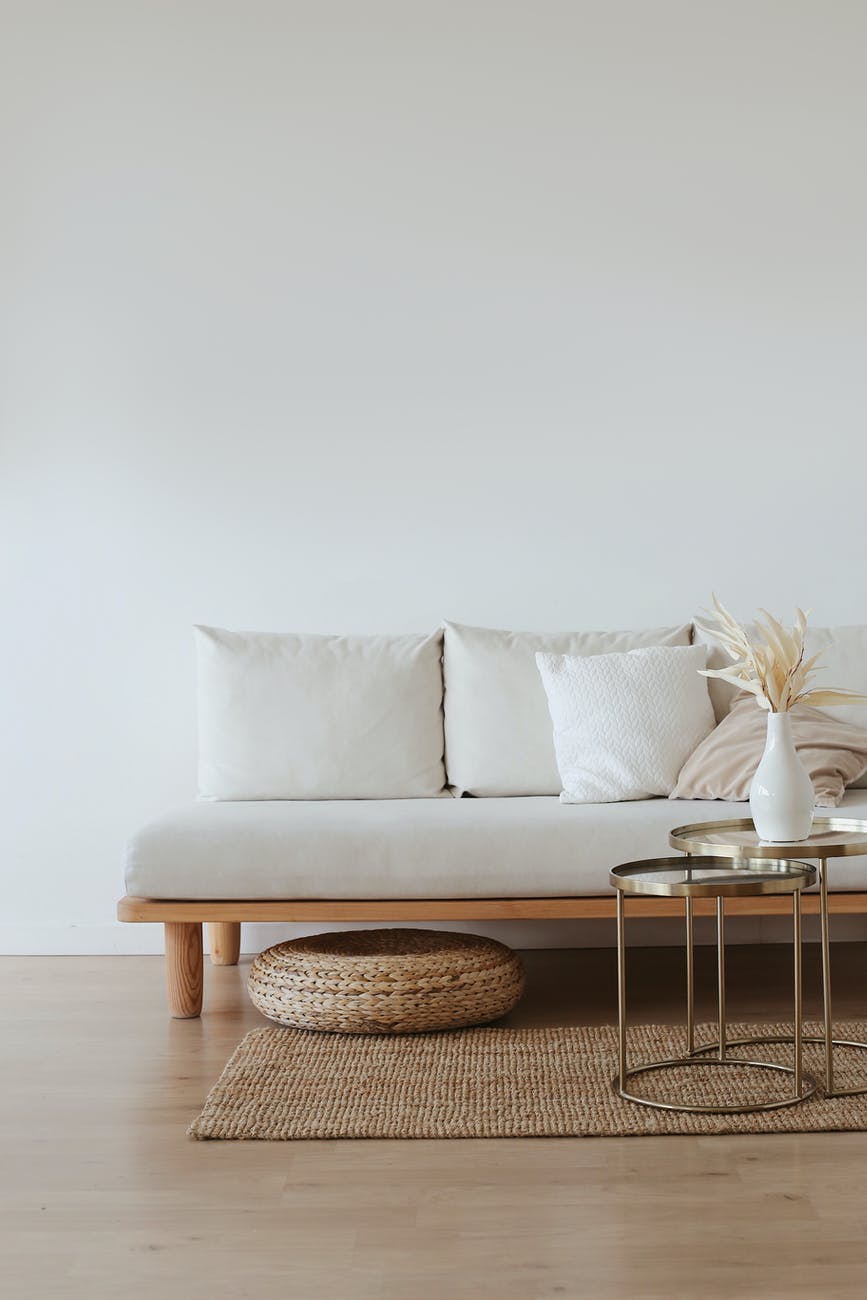
I see minimalism as living with fewer ‘things’ in your life, be they material possessions, hobbies, projects, or people. Instead of amassing endless low-quality material possessions or being caught up in ongoing activities, decide what truly matters to you and what adds value to your life.
I am cautious about what I purchase and prioritise quality over quantity. So, for example, I will buy one pair of high-quality shoes in a neutral colour that will last me for many years rather than buy many low-quality pairs.
I also think about my engagements, does this activity enrich my life or just add stress? Is this person a good fit for me, or are we just hanging out because we are both bored?
On the other hand, if something or someone adds value to my life, it can stay. I am not going to deprive myself of positive things.
Elle Penner, in a blog post entitled 15 Science-Backed Benefits Of Minimalism provides us with an excellent short summary of minimalism:
What is minimalism?
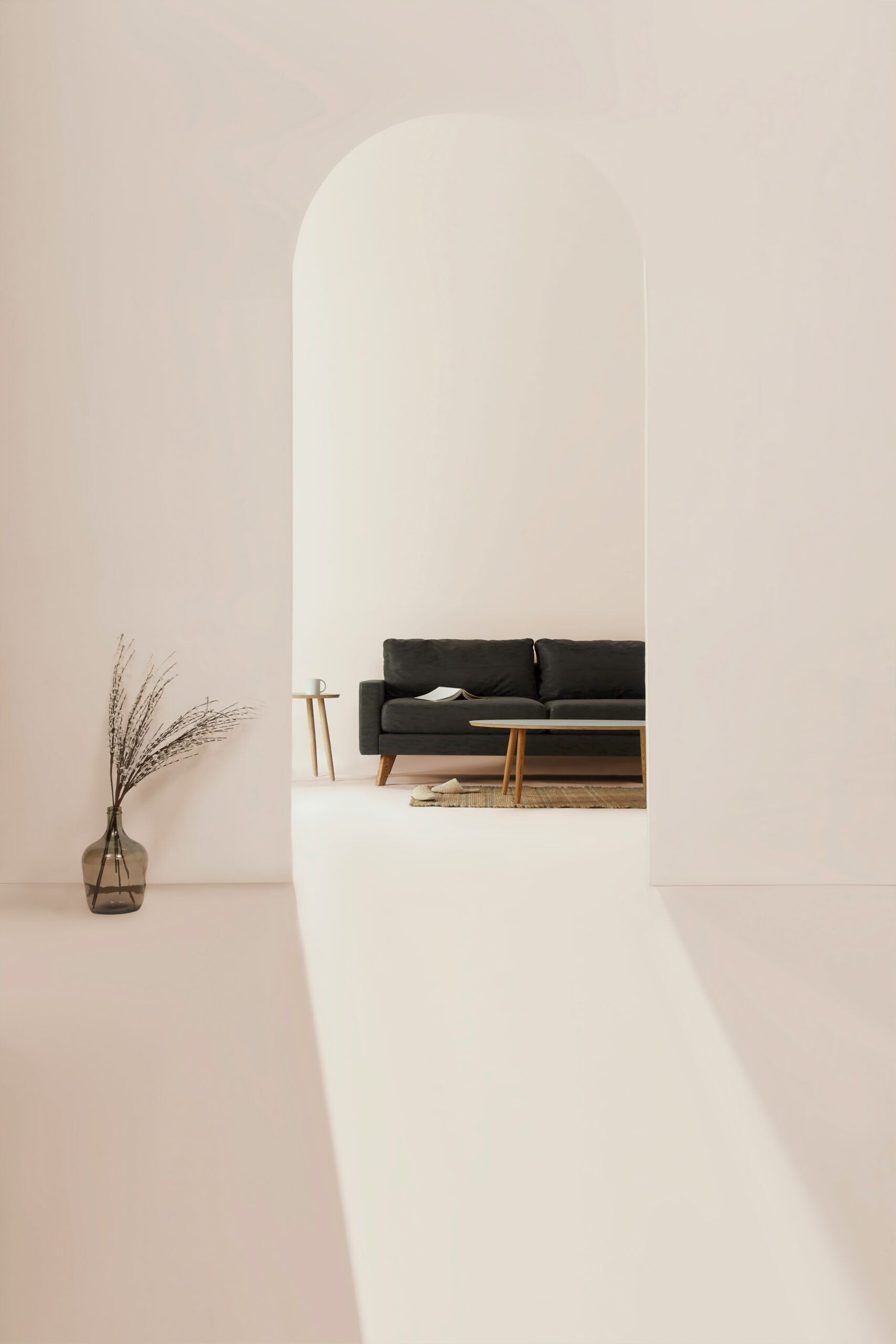
Minimalism is a lifestyle or aesthetic characterised by profound simplicity.
At its core, minimalism is about eliminating the unnecessary to bring focus and appreciation to what truly matters.
The Benefits of Minimalism
The Benefits of Minimalism are many, and it is beyond the scope of this article to list them all. Below, I will explain some of the major ones.
‘I’ve found that the less stuff I own, the less my stuff owns me. (Nathan W. Morris)
‘The more you have, the more occupied you are. The less you have, the more free you are.’ -(Mother Teresa)
The Financial Benefits of Minimalism
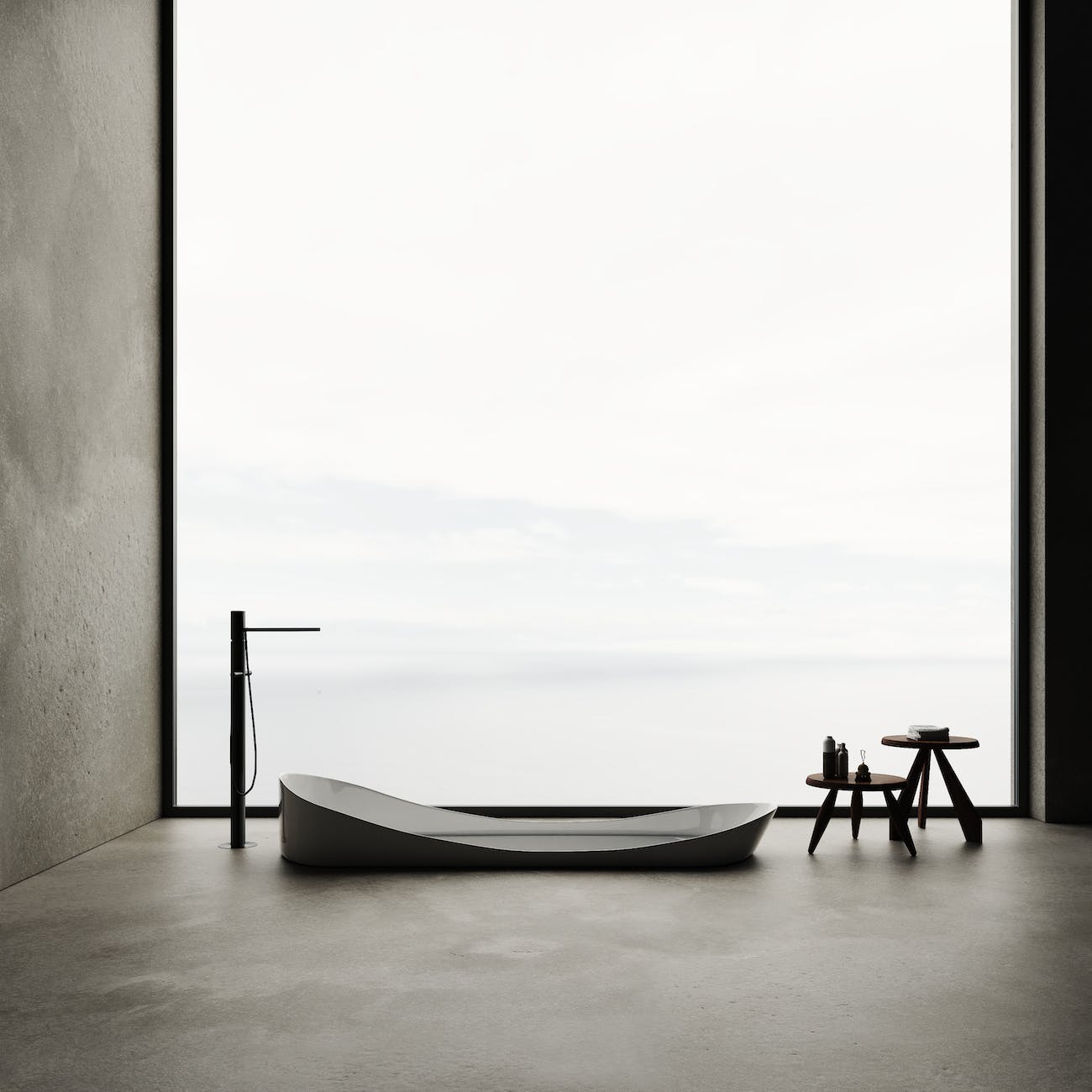
Minimalism is often misunderstood as stark white rooms and empty closets. It’s a financial philosophy as much as anything else. At its core, minimalism is about intentional ownership—choosing to spend money only on what truly adds value to your life. When applied consistently, this mindset can transform not only your space but also your financial future.
One of the most immediate financial benefits of minimalism is reduced spending.
When you stop buying out of boredom, comparison, or impulse, your expenses naturally decline. Fewer purchases mean:
- Lower credit card bills
- Reduced subscription costs
- Less frequent shopping trips
- Fewer ‘small’ daily expenses that add up
Minimalism interrupts the habit loop of constant consumption. Instead of asking, ‘What do I want next?’ you begin asking, ‘Do I actually need this?’
Over time, this shift can free up hundreds — or even thousands — of dollars per year.
Spending less doesn’t just mean having extra cash—it means building momentum.
The money you no longer spend on unnecessary items can be redirected toward emergency funds, retirement or debt repayments.
In a culture built on constant consumption, choosing ‘enough’ is a radical financial strategy. Minimalism reframes wealth not as accumulation, but as control — control over your money, your time, and ultimately, your life.
Minimalism reduces Fatigue
‘Psychologists call this ‘decision fatigue’: the more choices we are forced to make, the more the quality of our decisions deteriorates.’ (Greg McKeown, Essentialism: The Disciplined Pursuit of Less)
Every day, you make thousands of decisions — what to wear, what to eat, which email to answer first, whether to say yes to a meeting, what to watch at night. Individually, these choices seem small. Collectively, they drain your mental energy.
This mental drain has a name: decision fatigue. And one of the most effective ways to combat it is through minimalism.
Decision fatigue is the deterioration in decision quality after a long session of decision-making. The more choices you make, the harder each subsequent choice becomes.
Researchers such as Roy F. Baumeister have shown that decision-making draws on a limited pool of mental resources. As those resources deplete, you’re more likely to avoid decisions altogether, make impulsive choices, choose the easiest option rather than the best one, and experience stress and mental exhaustion.
This explains why you might eat junk food at night despite healthy intentions in the morning, or why you might endlessly scroll instead of doing something meaningful. It’s not a lack of discipline — it’s a tired brain.
The Modern World is a perfect storm of choices. We live in an age of abundance:
Hundreds of streaming options
Endless online shopping choices
Notifications competing for attention
Career paths with infinite variations
While choice gives freedom, too much choice creates friction. Each option demands evaluation. Each evaluation consumes energy.
Minimalism reduces decision fatigue by giving fewer physical choices. When your closet contains 20 carefully chosen items instead of 120 random ones, getting dressed becomes automatic. This is why leaders like Steve Jobs famously wore the same style daily. By standardising small decisions, they preserved energy for bigger ones.
Minimalism removes low-value decisions from your day.
Decision fatigue is invisible but powerful. It quietly shapes your behaviour, productivity, and emotional state. Minimalism offers a counterbalance. By consciously reducing unnecessary choices, you preserve your mental energy for what truly matters: creativity, relationships, meaningful work, and long-term goals.
In a society overflowing with options, clarity becomes a competitive advantage.
Sometimes, less really is more — especially for your mind.
The Environmental Benefits of Minimalism
In a world shaped by mass production and constant consumption, minimalism offers a powerful counterbalance. By prioritising quality over quantity and intentionality over impulse, minimalism can play a meaningful role in protecting the planet.
Every product we buy requires raw materials, energy, water, and labour to produce. From mining metals for electronics to harvesting timber for furniture, consumption drives environmental extraction. Minimalism encourages people to purchase only what they truly need, reducing demand for resource-intensive manufacturing.
When fewer goods are produced, there is less deforestation, lower water usage, reduced energy consumption and fewer greenhouse gas emissions. By simply buying less, individuals shrink their ecological footprint.
Modern consumer culture promotes disposability. Fast fashion, single-use products, and cheaply made items often end up in landfills after a short lifespan. According to environmental research, textile and plastic waste are among the fastest-growing waste streams globally.
Minimalism challenges this cycle by encouraging durable and high-quality purchases. When people own fewer, longer-lasting items, waste generation decreases significantly.
By focusing on what truly adds value to life, individuals reduce environmental strain while often gaining clarity, financial stability, and peace of mind.
The environmental crisis is complex and requires systemic change, but personal habits still matter. Minimalism demonstrates that living well does not require consuming endlessly. In fact, sometimes the most powerful environmental action is simply choosing less.
Minimalism Reduces Cleaning Time (and Mental Clutter)
In a world filled with constant consumption and busy schedules, cleaning can feel like a never-ending task. Countertops gather clutter, closets overflow, and floors seem to attract dust overnight. Minimalism offers a powerful solution—not just as a design aesthetic, but as a lifestyle that significantly reduces cleaning time and effort.
Decluttering your home and reducing the possessions you own drastically cuts down on cleaning time. Doing a spring clean used to take me weeks as it involved dusting thousands of books, taking down knick-knacks from the shelf and sifting through clothes to wipe the inside of my wardrobe. Now it takes just one day as there is less to clean.
Dust and dirt stick to every item in your home, so the fewer items you have, the easier it is to make your home clean. You don’t have to spend as much time cleaning, and you won’t have as many items to check over and clean thoroughly. (Maidstr)
Minimalism is not about sterile spaces or owning almost nothing. It’s about intentional living. By reducing excess and focusing on what truly adds value, you create a home that is easier to maintain and quicker to clean.
Less stuff doesn’t just mean less mess—it means less time cleaning and more time living.
Conclusion- What are the Benefits of Practising Minimalism?
As shown above, minimalism is for everyone; there is no right or wrong way to practice it, and it offers countless benefits, including reduced decision fatigue, less cleaning, and more mental clarity.
Want to learn more about minimalism? Check out my previous blog posts on minimalism, or let me know in the comments below which topics you would like me to cover.
trabantbettina

Bettina Anna Trabant, Founder of Life Organised, your professional organising and decluttering service in East London. Eco-conscious minimalist and avid tea drinker,