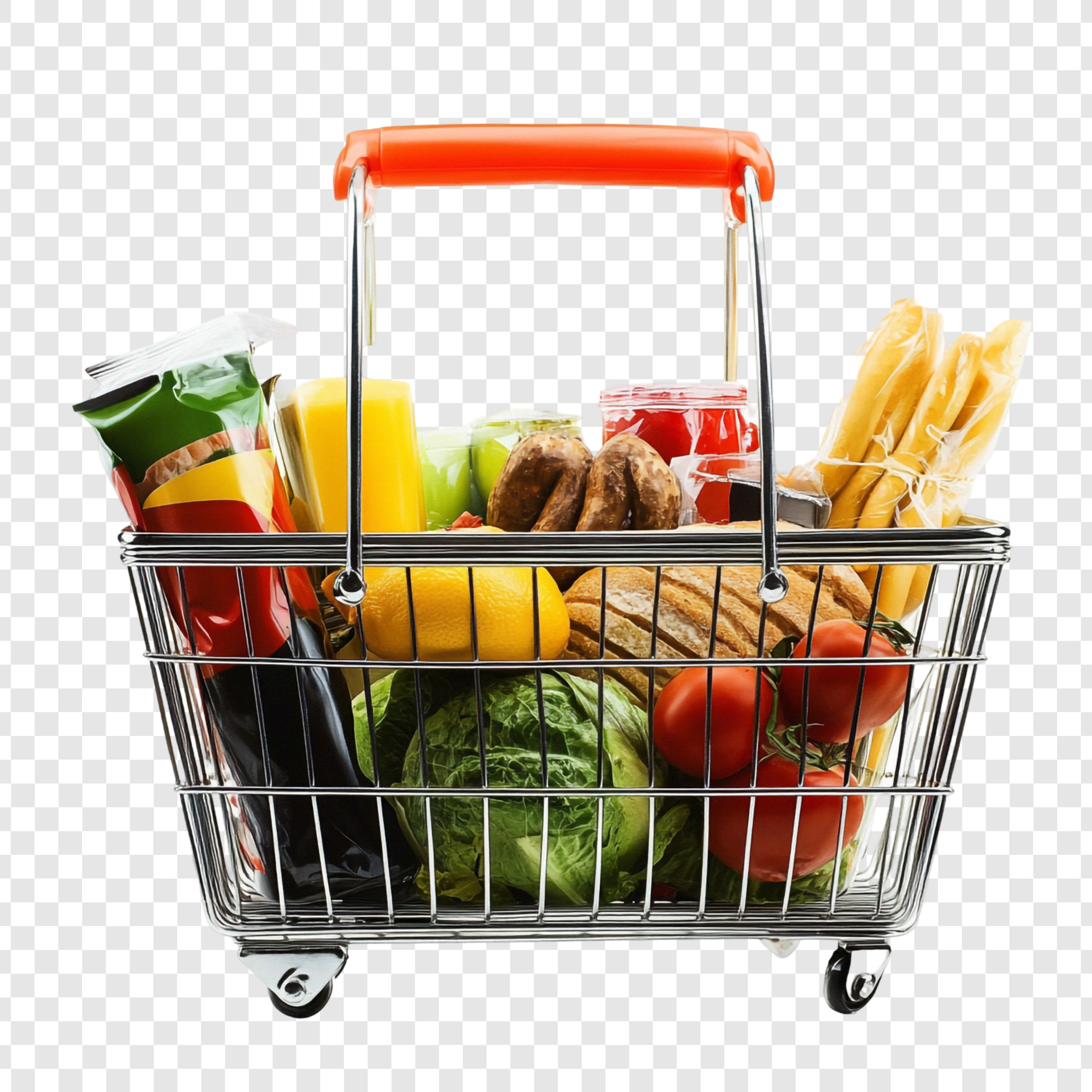
The best way to get anybody’s attention is dinner. I have good kitchen skills and good grocery shopping skills. Al Roker
I love grocery shopping. It’s one of my favourite things. I don’t want to become an ordering-food-online person. Scott Rogowsky
Introduction – How to save money while grocery shopping?
Grocery shopping is one of life’s unavoidable expenses—but that doesn’t mean it has to empty your wallet. With a bit of planning, wise choices, and a few insider tricks, you can keep your pantry stocked without overspending.
Here’s how to make your money go further in the supermarket aisle.
1. Plan Before You Shop
Walking into a store without a plan is like going to the buffet on an empty stomach—you’ll end up with more than you need.
- Create a weekly meal plan: Base your meals on the ingredients already in your pantry and freezer. (Check out my blog post Why Everyone Should Meal Plan)
- Create a detailed shopping list: Stick to it like glue to avoid impulse buys.
- Check store flyers and apps: Identify weekly deals before stepping out.
Impulse buys are where most budgets explode. A written list forces you to buy what you need, not what’s glowing under the “SALE” sign.
As Money for the Mammas says: ‘These days, my idea of living dangerously is going grocery shopping without a list.’
2. Buy in Season (and on Sale)
Fruits and vegetables are cheapest when they’re in season and abundant.
- Seasonal shopping: Strawberries in June are cheaper than in January.
- Stock up and freeze: When blueberries are on Sale, buy extra and freeze them for smoothies or baking later.
According to Enoch Omololu in an article entitled12 Tips For Saving Money On Groceries, shopping seasonal food items can save you as much as 50% on your grocery bill.
3. Compare Unit Prices
Bigger packages can save you money, but not always.
- Look at the unit price on the shelf tag (cost per ounce, gram, or litre).
- Choose the option with the lowest cost per unit—unless it’s perishable and will go to waste before you use it.
According to: ‘Unit pricing saves money but is the forgotten shopping tool‘, a family of four could save up to 18% a year on their weekly purchases.
4. Embrace Store Brands
Store brands are often manufactured by the same companies that produce name-brand products, sometimes resulting in near identical products at a lower price.
- Start with staples like sugar, flour, pasta, and canned goods.
- Taste-test a few alternatives—you might find you prefer them.
Store brands, such as Simple Truth from Kroger, Great Value from Walmart, and Archer Farms from Target, are sometimes manufactured in the same facilities and with the same ingredients as national brands. In many cases, the main distinctions come down to packaging and marketing.
5. Avoid the “Middle of the Store” Trap
Most stores place essentials like milk and bread at opposite ends so you walk through tempting snack aisles.
- Stick to the store’s perimeter, where you’ll find fresh produce, dairy, and meats.
- Go down the middle aisles only when you need specific items.
6. Don’t Shop Hungry
A hungry shopper is a big spender.
- Eat a snack before you shop—your future self (and budget) will thank you.
If you shop when you are hungry, you will not stick with your list. Your hunger will make you impulse buy things that can be eaten quickly ( minimal preparation) such as cookies, yogurt( yes it’s healthy but not on the list) or things you would not ordinarily buy like the goodies offered beside the samples table. (Quora)
7. Use Loyalty Programs and Coupons Wisely
Loyalty cards can offer instant discounts, and digital coupons make saving even easier.
- Sign up for your store’s free rewards program.
- Clip or download coupons—but only for things you buy.
I find that in the UK, Tesco, with their Clubcard, gives you the best deals and real savings. However, all the major supermarkets in the UK offer them.
8. Buy Meat Strategically
We are all aware of the downsides of excessive meat consumption, and this is not the place for such a debate. Meat is one of the priciest items in a grocery cart.
- Watch for sales and buy in bulk; then, freeze the portions.
- Try cheaper cuts—such as chicken thighs instead of breasts or chuck roast instead of steak.
- Plan some meatless meals each week.
9. Limit Pre-Packaged & Convenience Foods
Pre-sliced fruit, shredded cheese, and microwave-ready meals cost more for the convenience.
- Buy whole foods and do a little prep at home.
- Bonus: they’re often fresher and healthier.
10. Track Your Spending
Keep a running total in your head or on your phone as you shop.
- If you’re close to your budget limit, make small adjustments to your cart before checkout.
Conclusion – How to save money while grocery shopping?
Saving money on groceries isn’t about extreme couponing—it’s about shopping with intention. A little planning, a bit of self-control, and some smart substitutions can make a big difference to your bank balance over time. Remember, every dollar you save at the store is a dollar you can spend (or save) elsewhere.
Want to learn more about money saving? Check out other posts here.
trabantbettina

Bettina Anna Trabant, Founder of Life Organised, your professional organising and decluttering service in East London. Eco-conscious minimalist and avid tea drinker,