Introduction – Have a Cuppa, it’s Good for You.
People in the UK love their tea: “Brits are drinking over 100 million cups of tea each day” (UK Tea and Infusions Association), with a whopping 98% of us drinking it daily. 84% of British people drink their tea using teabags, compared to only 40% of Germans. For many of us, drinking tea is a matter of Tetley vs. PG Tips. Or milk in first or last. We Brits love a strong brew, black with milk, brewed fast and drunk while doing other things.
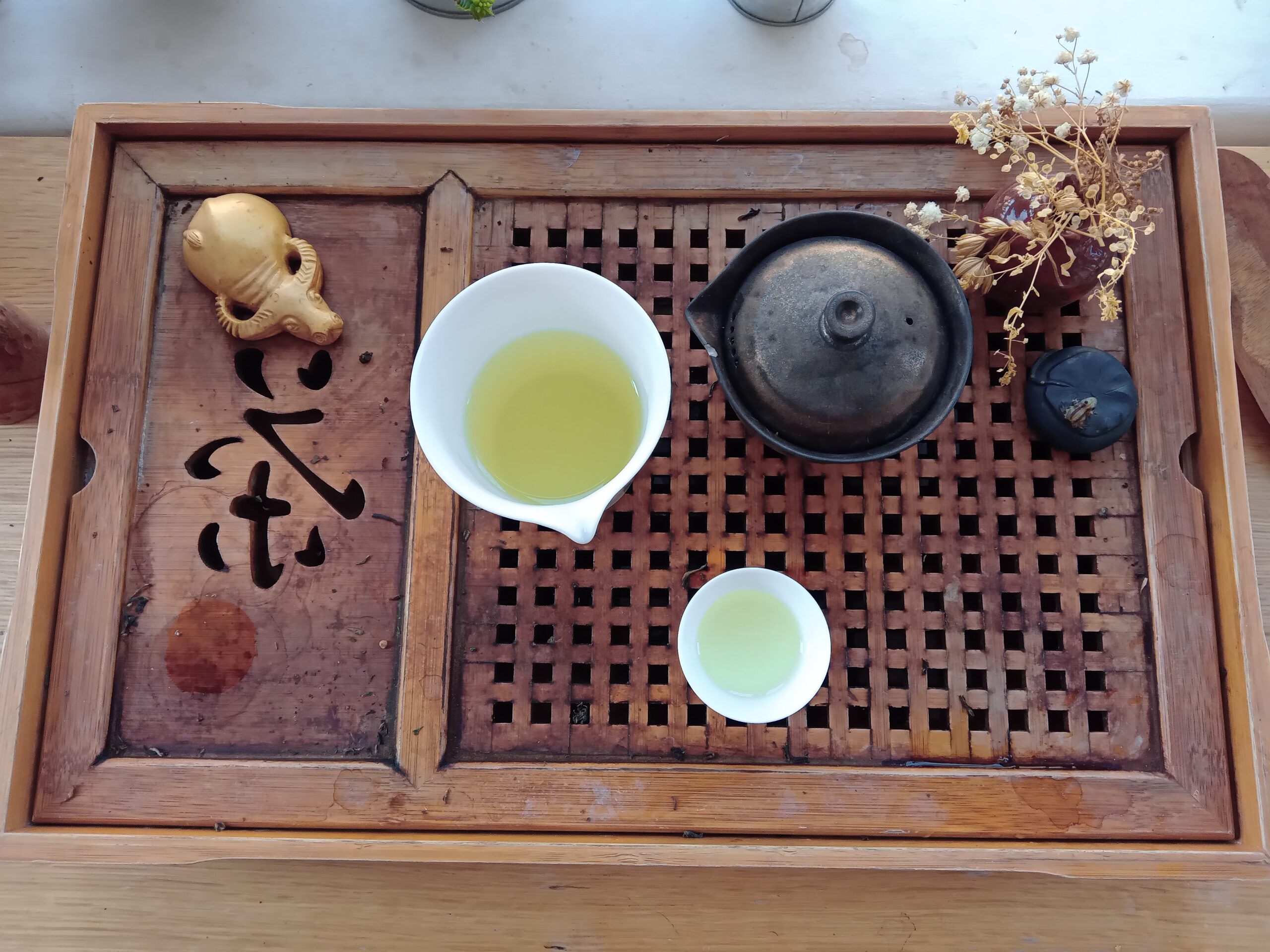
The Chinese and Japanese, on the other hand, have turned tea drinking into a ritual. They use numerous different utensils and follow a set of predetermined steps to make the perfect cup of tea. The Japanese tea ceremony is known for its rigid structure. Everything, from the decorations to the conversation topics, is pre-planned. Each move in preparing the tea and holding the cup is a ritual. Of course, there are variations and different schools of preparing tea, but that’s beyond the scope of this article.
Now, I am not suggesting that you all become Japanese tea masters, as it takes decades to train, or that you perform a tea ritual that takes hours to complete. However, I suggest that you explore Asian style brewing and the benefits of more mindful, ritualised tea drinking.
How to Brew Loose Leaf Tea – Asian Brewing vs. Western Brewing.
In essence, tea is just water and leaves, so it shouldn’t be complicated to prepare. We pour water over leaves, and we drink the flavoured liquid.
There are many ways to brew and enjoy tea – how about Yak Butter? Or perhaps you want to adorn your living room with a Russian Samovar. However, while there are regional differences, there are two main ways of brewing loose-leaf tea.
In the Western World, people traditionally use a small amount of tea, a large amount of water and a long steeping time. Drinkers separate the leaves from the water after brewing and discard the leaves. To put this concretely, tea drinkers in the West use 10-12g of tea for 1 litre and brew it for between 3-5 minutes. They brew the leaves only once.
The Asians, on the other hand, use a large amount of leaf, a small amount of water, and a short brewing time, but infuse the same leaves multiple times. To put this concretely, the Chinese might use 5g of tea for ¼ litre, brew for 30 seconds or less and then add 10 seconds per steeping until the tea loses its flavour.
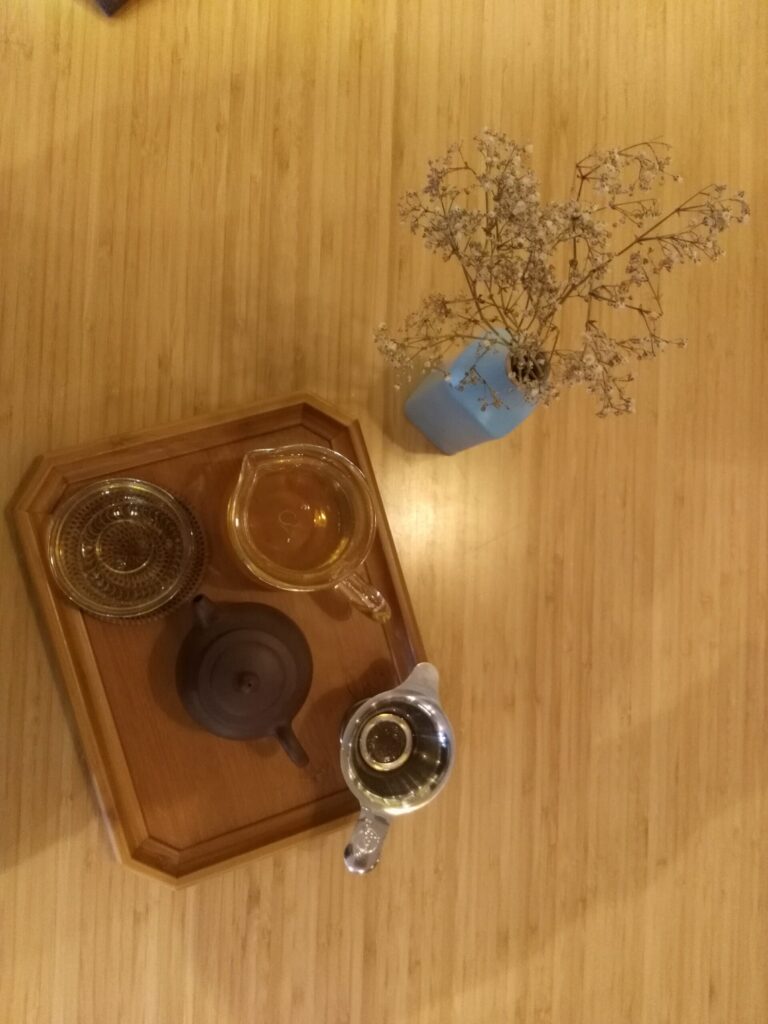
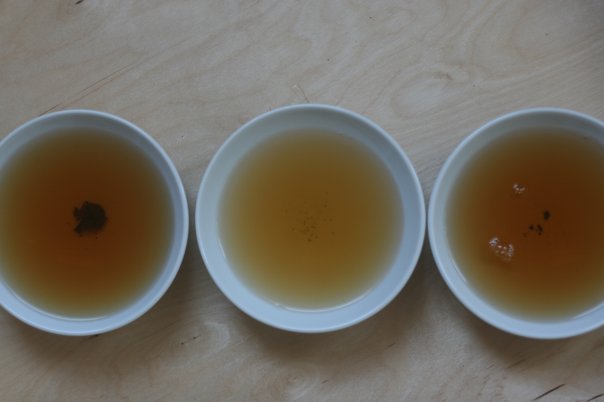
When brewing tea, the Asian way. Each infusion will taste different, with subtleties in flavour becoming apparent as you progress through the infusions.
Water temperature, leaf-to-water ratio, and brewing times vary between different types of tea, as does the equipment needed. To get started, consider a cheap Gaiwan (a Chinese lidded bowl) or a small glass teapot, a pitcher and a small tea cup.
What’s the Advantage of regular tea breaks and brewing tea the Asian way?
There are several advantages to brewing tea the Asian way, as well as having regular tea breaks. Below I will outline my three favourite ones.
Time Away from Screens
With the rise of smartphones, tablets, computers, and televisions, screens have become an integral part of daily life; however, the consequences of overuse are becoming increasingly apparent.
According to Exploding Topics, average global screen time is a whopping 6 hours and 40 minutes per day. Since 2013, our daily screen time has increased by about 30 minutes a year.
Vfast Internet breaks down statistics for the UK as follows:
PCs: UK users spend an average of 3 hours and 8 minutes on their laptops, desktops, or tablets
Smartphones: Users in the UK spend an average of 3 hours daily on their mobile devices
Television: The same report shows that UK adults watch about 3 hours and 12 minutes of TV per day…
Excessive screen time can harm physical health, mental well-being, and cognitive development in both children and adults. It has been linked to eye strain, sleep disturbances, obesity, and even an increased risk of anxiety and depression.
From a physical health standpoint, prolonged screen use often causes eye strain, headaches, and blurred vision due to excessive focusing and reduced blinking. Many individuals also experience musculoskeletal problems, such as neck and back pain, which result from poor posture during device use. Sleep disruption is another concern, as the blue light emitted from screens interferes with melatonin production, making it harder to fall asleep and stay asleep.
The mental health effects of excessive screen time are equally concerning. Studies suggest that high amounts of recreational screen use, particularly on social media, may contribute to anxiety, depression, and feelings of social isolation. Children are especially vulnerable, with research linking excessive screen use to behavioural issues such as conduct disorders and oppositional defiant disorders. Furthermore, prolonged screen time can impair cognitive development, leading to attention deficits, slower processing speeds, and reduced working memory.
Screen time can also affect learning and social skills. Constant exposure to digital media can make it difficult for individuals, particularly students, to refocus on academic work after engaging in recreational screen activities. Language development and face-to-face social skills may also be delayed when digital interaction replaces real-world engagement. For adults, constant notifications and the pressure to maintain an online image can often lead to increased stress, decision fatigue, and reduced attention spans, negatively impacting work, relationships, and overall quality of life.
Relationships are another area deeply impacted by excessive screen time. Emotional disconnection, miscommunication, and conflict are increasingly common, especially among couples.
Fortunately, there are effective ways to reduce screen time and regain a sense of balance. Strategies include setting boundaries for device use, creating screen-free zones in the home, and engaging in offline activities such as reading, exercising, or spending time outdoors.
Having regular tea breaks throughout your day allows you to get away from screens and rest your brain and eyes. Sometimes when you are tired and waning in concentration, rather than ploughing on and working slowly and unfocused, taking a 15-minute tea break can do wonders. However busy you are, breaks are non-negotiable in my world.
Mindfulness
Mindfulness, the practice of paying attention to the present moment without judgment, has gained significant attention in recent years for its positive effects on mental, physical, and emotional well-being. Once rooted primarily in Buddhist traditions, it is now widely recognised in psychology and medicine as an evidence-based approach to improving health and quality of life.
Mindfulness helps reduce stress and anxiety by fostering awareness of the present moment and reducing rumination on past or future worries. Research shows it can ease symptoms of depression and anxiety while improving focus, concentration, and working memory. Practising mindfulness also enhances emotional regulation, self-awareness, and cognitive flexibility, allowing individuals to respond to challenges with greater calm and clarity.
Mindfulness has been linked to improvements in physical health, including lower blood pressure, better sleep, and relief from chronic pain. Studies also suggest it strengthens the immune system and reduces psychological distress. By encouraging relaxation and a healthier response to discomfort, mindfulness can play a role in managing long-term health conditions.
Mindfulness fosters stronger relationships by enhancing empathy, compassion, and effective communication. It encourages self-acceptance and acceptance of others, thereby reducing emotional reactivity and enabling people to navigate conflicts more constructively.
Mindfulness can be cultivated through simple daily practices such as mindful breathing, body scan meditation, mindful walking, eating with awareness, or listening attentively without judgment. Activities like yoga, tai chi, and qigong can also promote mindfulness.
Drinking tea, especially in the traditional Asian way, can significantly contribute to practising mindfulness throughout your day. Choosing the proper tea ware, brewing the tea to exacting parameters multiple times, and sipping it while doing nothing else can give you a mental break from work and other chores.
Teabags – Health and the Environment
Drinking tea brewed in a pot can significantly help reduce environmental harm and waste.
Tea bags, despite their convenience, contain a small amount of non-biodegradable polypropylene to seal the bag. In some cases, excluding the tea, plastic accounts for roughly 25% of the teabag.
In the UK, we consume approximately 60.2 billion cups of tea each year, with the vast majority being made using teabags. It is estimated that 96% of teabags used in the UK contain non-biodegradable polypropylene. Unless incinerated after disposal, a large amount of polypropylene is being released into the environment.
There are alternatives to polypropylene, but they can also be fraudulent. Some brands claim their teabags are plastic-free because they use polylactic acid (PLA), a bioplastic derived from plant materials. However, many experts would also consider these to be single-use plastics.
Some major brands are seeking alternatives, but initial efforts have shown that constructing a biodegradable teabag is a challenging task.
So, drinking tea from loose leaves avoids the problems of plastic in your cup and the environmental impact of soil. After brewing compost, the leaves have no waste.
Conclusion – Have a Cuppa, it’s Good for You.
Taking regular breaks and mindfully drinking tea can be beneficial to your mental and physical well-being as well as the environment.
What if tea isn’t your thing, I hear you say? Of course, you can apply all this to other beverages or foods as well. It’s not entirely about the tea, although tea lends itself particularly well, but more about taking time out and concentrating on the drink.
trabantbettina

Bettina Anna Trabant, Founder of Life Organised, your professional organising and decluttering service in East London. Eco-conscious minimalist and avid tea drinker,