Preface
One of Life Organised’s specialisms is digital decluttering. Many people have reasonably clean, clutter-free homes, but when we look at their phones or computers, the situation is quite different. It could be a case of out of sight, out of mind, or people not knowing how to go about it. Computers can be scary, right? So, over the next few months, I want to publish a series of articles not only on digital decluttering, but also on demystifying some of the tech. In today’s article, I will give you a brief history of computers from ancient calculators to modern marvels.
Introduction
The evolution of computers is a fascinating journey spanning thousands of years, transforming from simple calculation tools into the sophisticated machines that underpin modern life. This history reflects human ingenuity, technological advancement, and the relentless pursuit of efficiency and knowledge.
Ancient Beginnings
The story of computers begins in antiquity. Early humans used basic tools like the abacus—developed around 2400 BCE in Mesopotamia—to perform arithmetic calculations. The abacus, with its sliding beads, was an essential tool for merchants and mathematicians for centuries.
Mechanical Era
The 17th and 18th centuries marked the emergence of mechanical devices designed to aid computation. Notable inventors like Blaise Pascal created the Pascaline in 1642, an early mechanical calculator capable of addition and subtraction. Later, in the 19th century, Charles Babbage conceptualised the Analytical Engine, considered the first design for a general-purpose computer. Although never built in his lifetime, Babbage’s design introduced fundamental concepts such as the stored program and mechanical processing.
Electromechanical and Electronic Computers
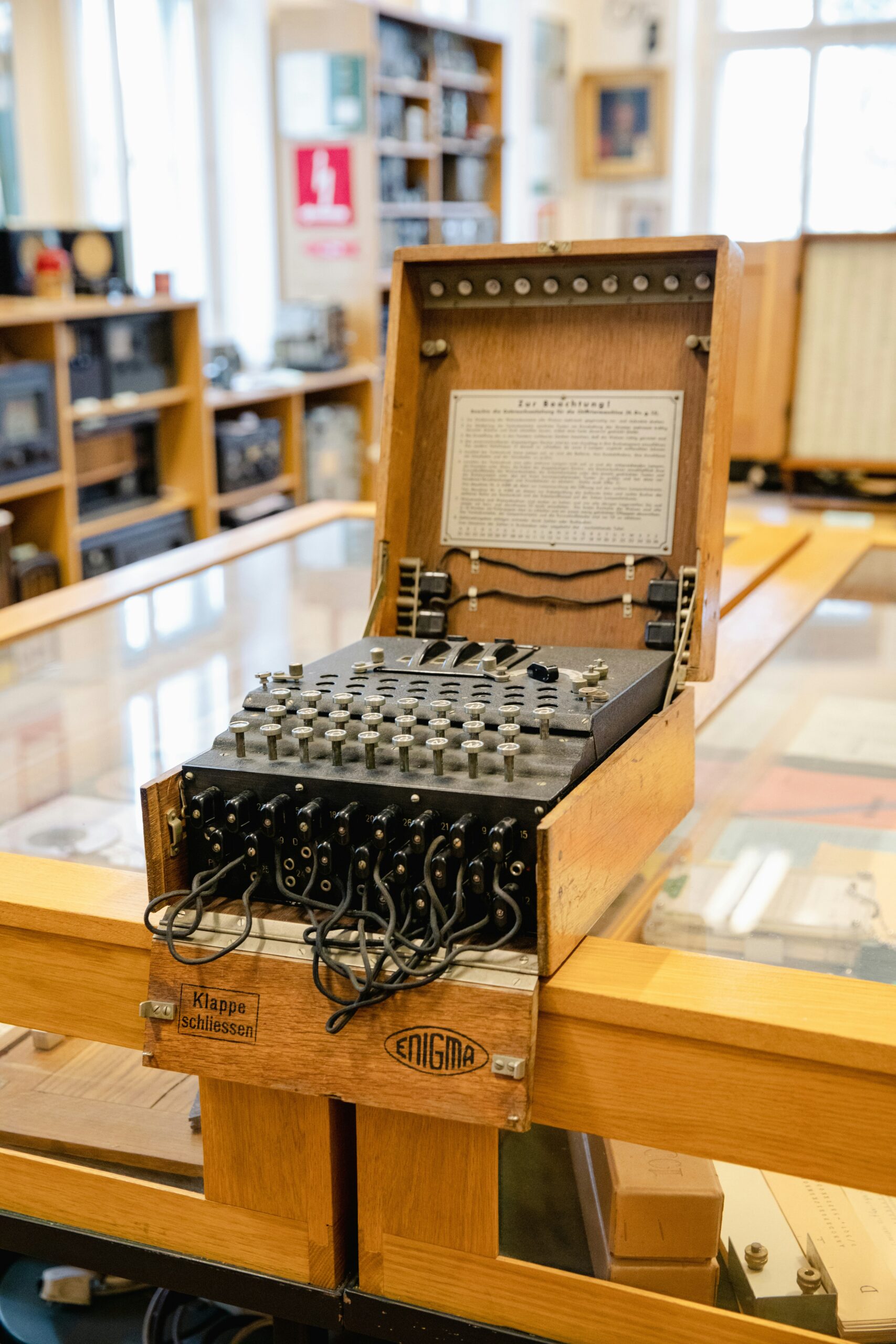
The mid-20th century saw the transition from mechanical to electromechanical computers. During World War II, the need for rapid calculations led to the development of machines like the British Colossus, used to break German codes, and the American ENIAC (Electronic Numerical Integrator and Computer), completed in 1945. ENIAC was one of the first fully electronic general-purpose computers, using vacuum tubes to perform calculations at unprecedented speeds.
The Advent of Transistors and Integrated Circuits
The invention of the transistor in 1947 revolutionised computing by replacing vacuum tubes, making computers smaller, faster, and more reliable. The 1950s and 1960s saw the rise of mainframe computers, which were used mainly by large organisations and governments. The development of integrated circuits in the 1960s further miniaturised components, paving the way for personal computing.
Personal Computers and the Digital Age
The 1970s and 1980s marked the dawn of personal computers (PCs). Companies like Apple, IBM, and Microsoft introduced machines that brought computing power into homes and offices. The invention of microprocessors, such as Intel’s 4004 in 1971, was pivotal in enabling affordable, compact computers.
The Modern Era
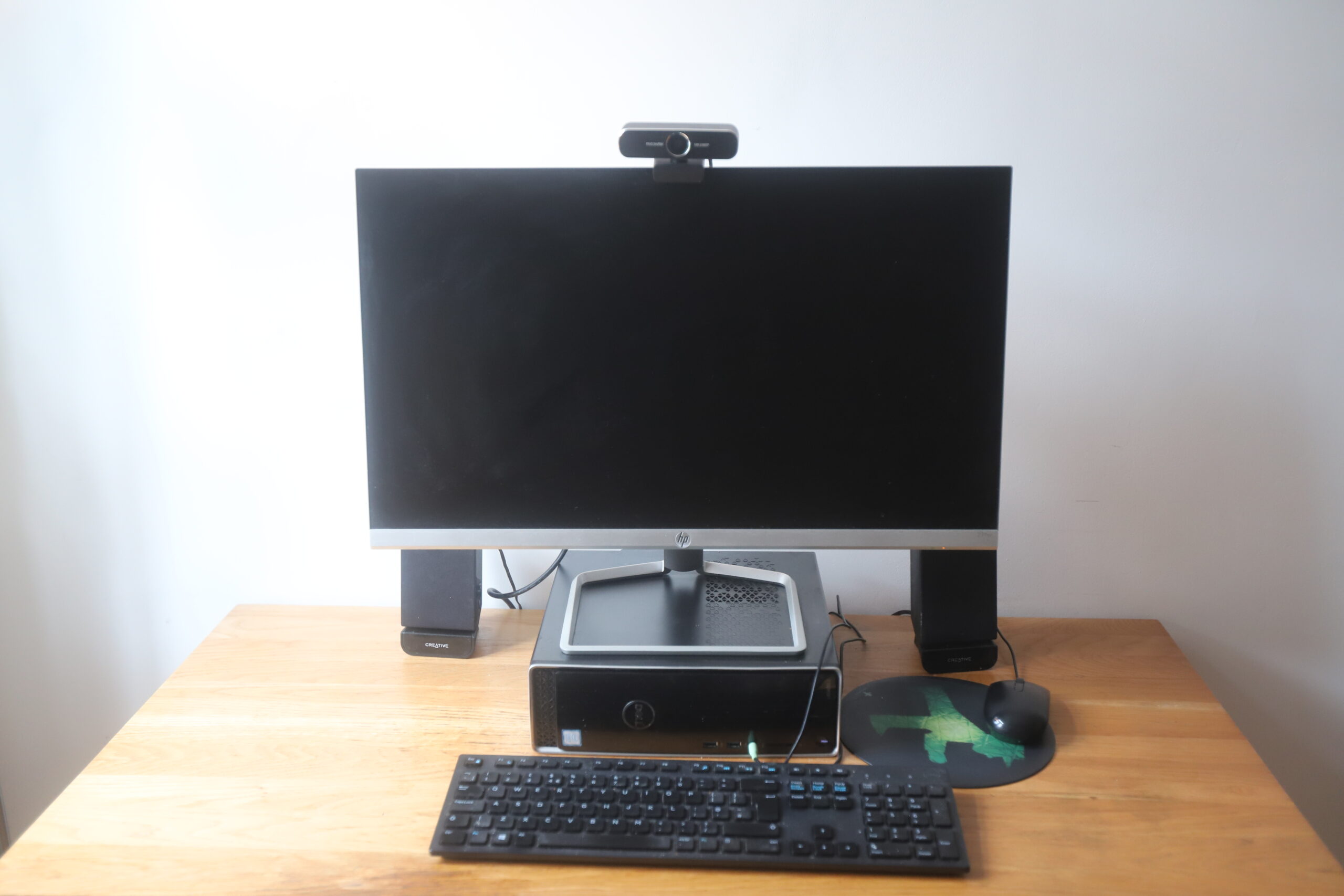
Today, computers are ubiquitous, embedded in smartphones, appliances, automobiles, and almost every aspect of daily life. Advances in artificial intelligence, cloud computing, and quantum computing continue to push the boundaries of what computers can achieve.
Conclusion
From simple counting devices to powerful, interconnected systems, the history of computers is a testament to human innovation. As technology continues to evolve, the future promises even more extraordinary developments, shaping the world in ways we can only imagine.
trabantbettina

Bettina Anna Trabant, Founder of Life Organised, your professional organising and decluttering service in East London. Eco-conscious minimalist and avid tea drinker,