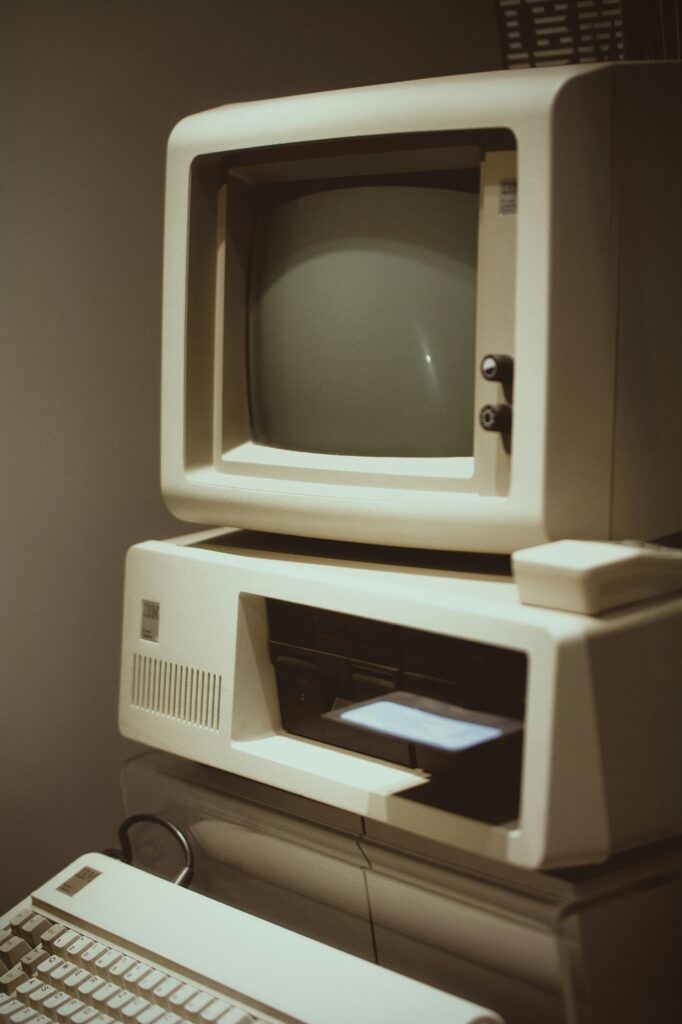
‘I think there is a world market for maybe five computers.’ — Thomas Watson, chairman of IBM, 1943.
Later this year, I have a big and slightly scary birthday. I will be officially old. See it as a curse, everything starts hurting, or a privilege, many people don’t make it to 50.
When I was a kid, barring a few middle-class nerds, no one had a computer, mobile phones were yet to be mass-produced, and cassette recorders with auto reverse were the height of technological sophistication.
Ken Olsen, founder of legendary minicomputer company DEC, said in 1977: ‘There is no reason for any individual to have a computer in his home.’
Ever since I learned to read and write, I have wanted nothing more than to be a published author. I wrote little stories for my parents, other relatives and any adult who would read them. Early on, I learned to type on my father’s travel typewriter, a red Olivetti Valentine.
Sometime in the mid-80s, my father’s workplace acquired computers for its staff. On Wednesday, when my mother worked late, I spent time at my father’s office; he would let me type on his MS-DOS-operated machine.
Oh, for those of you not in the know, MS-DOS stands for Microsoft Disk Operating System. It was an early operating system developed by Microsoft and was widely used in personal computers during the 1980s and early 1990s.
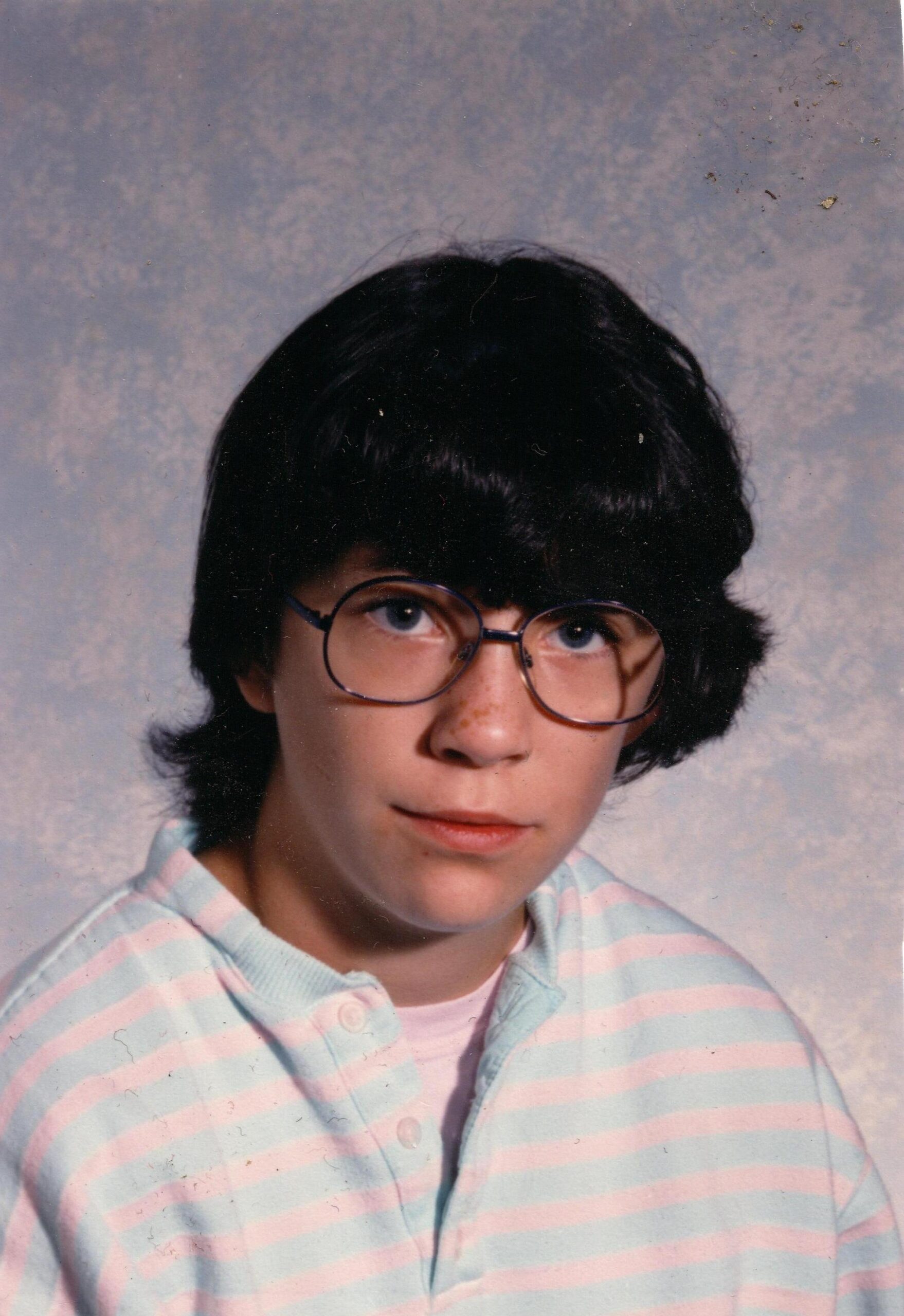
I became hooked on computers, and from around 1987, I saved up all my pocket money and begged my relatives for cash birthday presents until, in 1990, I had saved enough to buy my very own computer. Not a mean feast for a 13-year-old. Computers were expensive in those days.
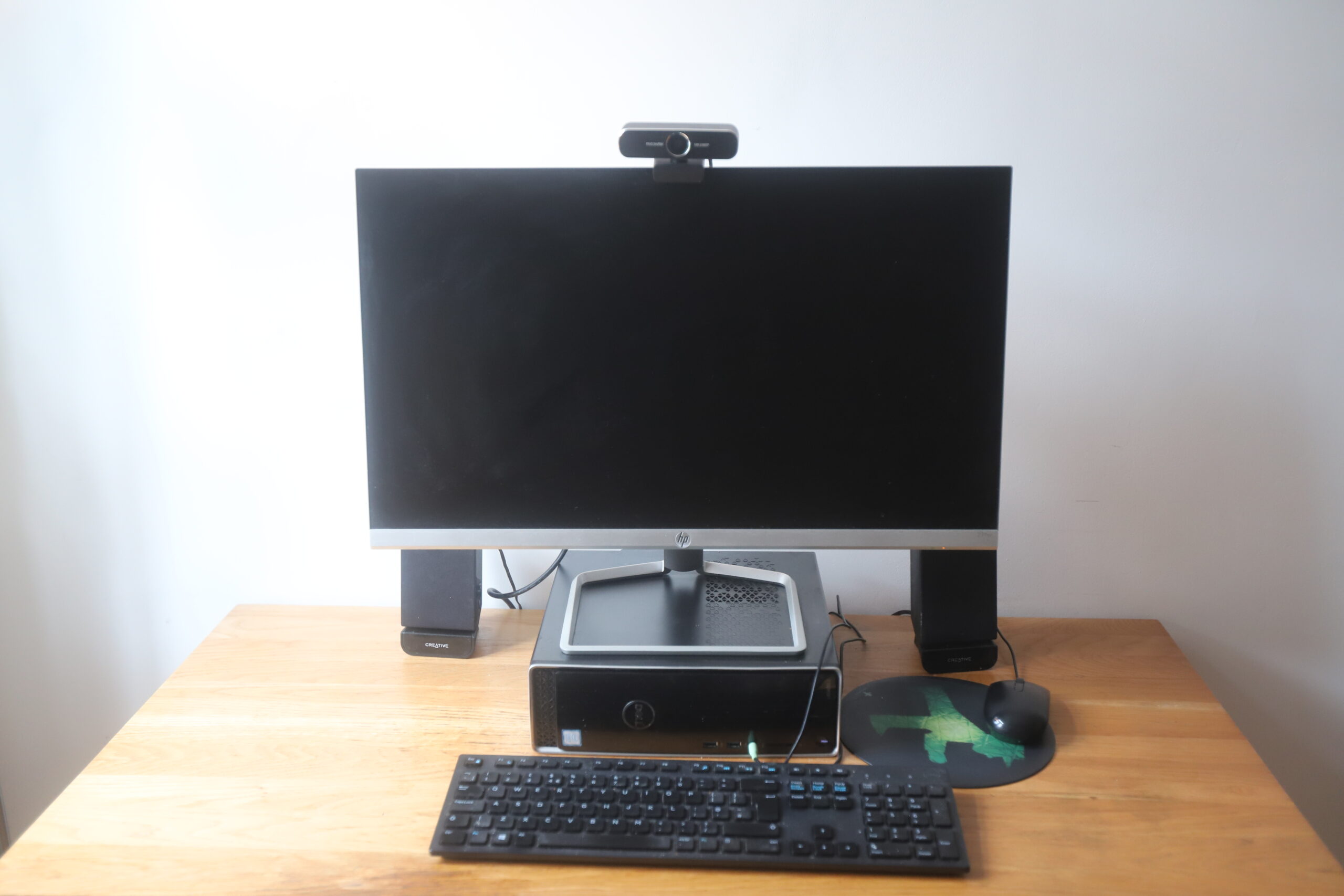
Computers were not only expensive but also somewhat limited in what they could do. No downloading of apps, no hard drives, no internet. It didn’t take me long to use most of my computer’s functions, and the programs’ functions I could have operated in my sleep.
I went round to my friend’s house, who was a fellow geek and was playing with his computer, an Atari with a different operating system. Computers weren’t yet streamlined, with most users now owning a Mac OS, Windows, or Linux device. Operating systems were more plentiful but limited in what they could do.
While they could do less than 5% of what today’s computers can, they were more complex to use because graphical user interfaces (GUIs) were not yet widely available; the technology used in all today’s laptops and phones was a niche product. Instead of pointing your mouse at the screen and double-clicking on an action, you had to know keyboard shortcuts to do almost anything.
In 1994, at a boarding school in Devon, I took my computer skills to another level and learned to programme in BASIC.
BASIC (Beginner’s All-purpose Symbolic Instruction Code) is an early programming language developed in the 1960s. It was designed to be easy to learn and use, especially for beginners and students who were new to programming. BASIC became very popular in the 1970s and 1980s because it allowed people to write simple programs on personal computers and early microcomputers. Overall, BASIC played a significant role in popularising programming and making it more accessible to the masses.
Ever since I first saw it at one of my parents’ friends’ houses, I have wanted a laptop with a blue screen. Did I mention that almost all computers were monochrome with a black background? My first computer had an orange display. When I went to university in 1996, my parents bought me a laptop, but by then, computers already had colour monitors. It was at university that I learned to write my first rudimentary webpage on a Windows 95 computer.
I also got given my first mobile phone as a Christmas present. Snake addiction, anyone? I vividly remember having “Jingle Bells” as my ringtone, and everyone staring at me when it went off on a bus.
After graduating from my MA, I held a variety of jobs in museums and the media and learned to use cataloguing software, InDesign and Photoshop.
Over the years, I have used many different operating systems, mobile phones, tablets, and various kinds of computer programs. In the olden days, I would have called myself a geek and considered myself a computer expert. I don’t anymore, so what has changed?
Computers in the 80s and 90s were expensive, and programs for them were limited in scope; it was easy to be an expert. In the last few years, Apple has released a new iPhone annually, and apps have been updated several times a year. Even for someone tech-savvy like me, it’s hard to keep up with ever-changing technology.
Imagine how hard it is for non-techy people. I don’t need to imagine; I know what it is like. I work with older people, helping them tidy up their digital devices. A few years ago, I patiently explained to my 83-year-old dad the difference between Microsoft Word and MAC OS. Good thing he was footing the telephone bill.
But even younger people who have grown up with the internet and mobile devices can get overwhelmed by it all and struggle to deal with the digital clutter around them. Unlike physical possessions, digital files and photos don’t stare you in the face in the same way as the pile of unread books or your dirty underwear. Did you know that Android users have their photos uploaded to Google Photos? You delete them from your phone, but your photos will still be on Google Photos in the cloud.
As a digital decluttering coach, you need both tech skills and patience. Patience to explain how and why files are where they are. Patience to delete hundreds of unread emails. Patience to explain in simple language how to operate the client’s ever-changing devices.
“It is okay to own a technology, what is not okay is to be owned by technology.” Abhijit Naskar, Mucize Insan: When The World is Family
Technology is great and can be incredibly helpful. Think Google Maps when lost roaming the streets. Think email when distributing identical information to hundreds at once. Think BBC whether to check the right clothing for the day.
But technology use can get out of hand and take over your life. Technology can make you feel stressed and overwhelmed. Excessive use can lead to eye problems and backaches.
Over the coming weeks and months, I want to post a series of articles that demystify some of the technology and explain concepts of digital decluttering in jargon-free, simple language.
Of course, you are also more than welcome to book my services. Life Organised works with clients throughout London, the UK and beyond. All you need is the internet and knowledge of either English, German or Gibberish.
trabantbettina

Bettina Anna Trabant, Founder of Life Organised, your professional organising and decluttering service in East London. Eco-conscious minimalist and avid tea drinker,