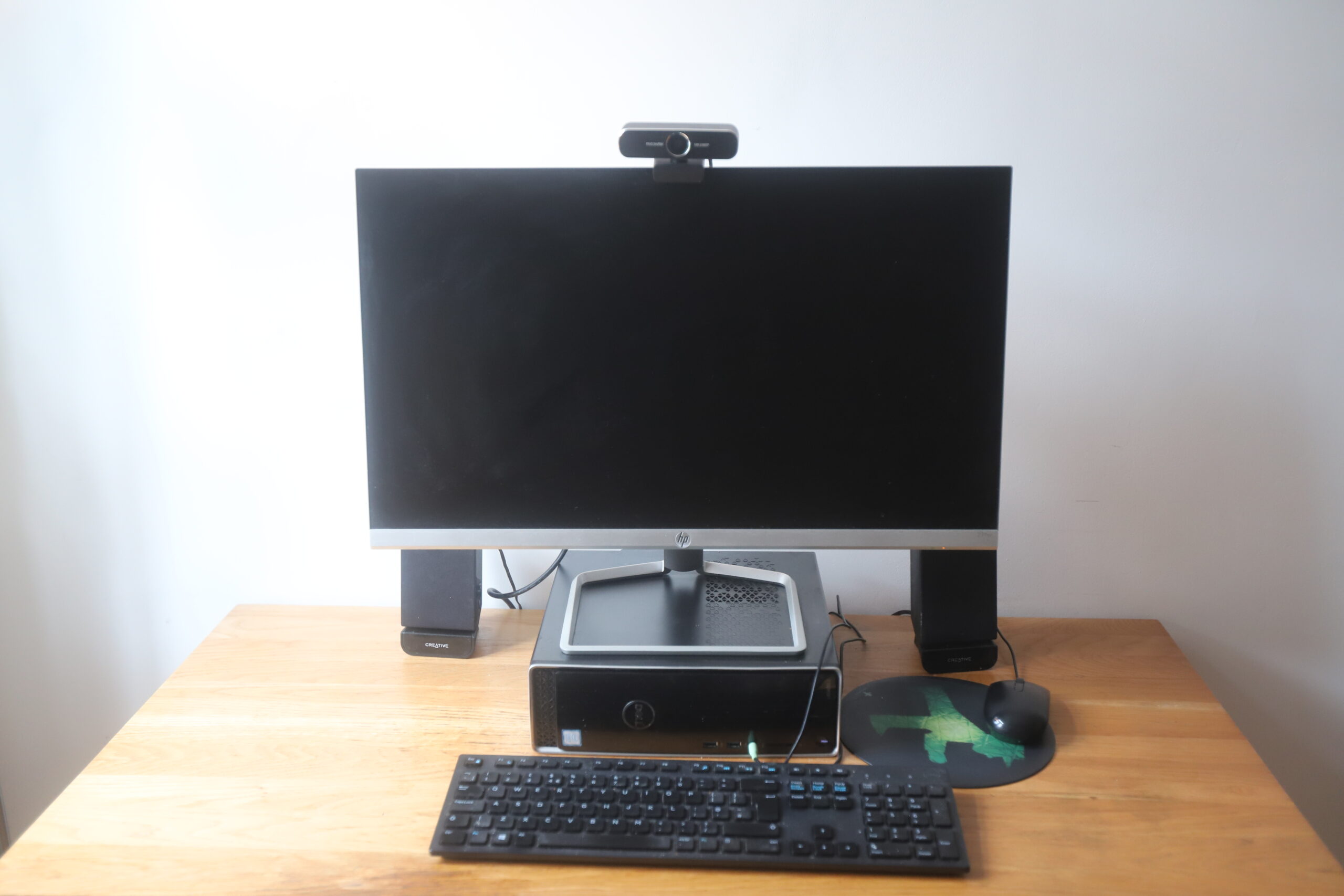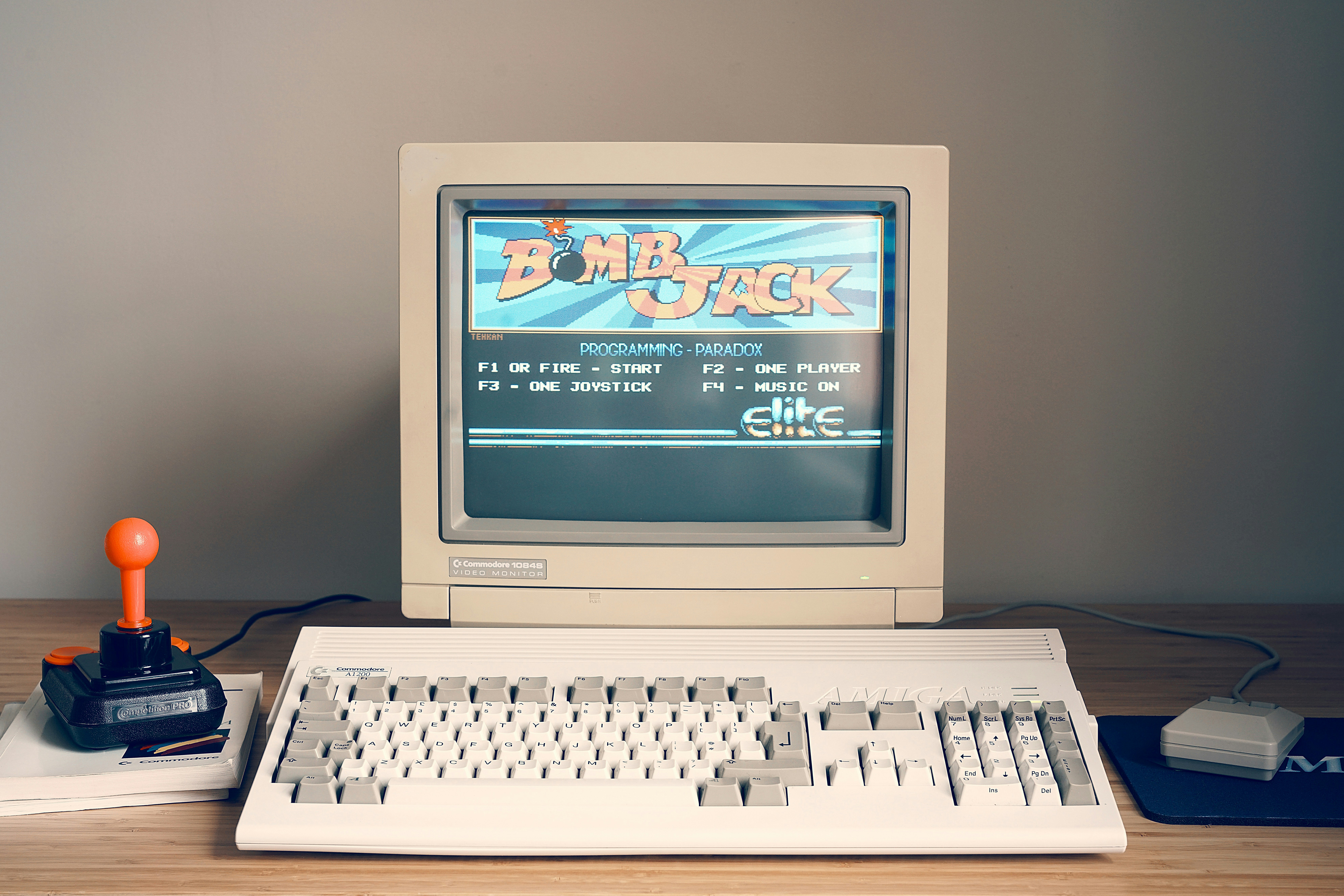
The personal computer (PC) has revolutionised the way humans work, communicate, and entertain themselves. Its evolution is a fascinating journey marked by technological innovation, market shifts, and cultural impact. This article explores the key milestones in the history of the PC.
Early Beginnings and Foundations
The concept of a personal computer dates back to the 1960s and 1970s, rooted in the development of mainframe and minicomputer technology. During this period, computers were large, expensive, and primarily used by governments and corporations. The desire for smaller, more accessible computing devices led engineers and entrepreneurs to explore personal-sized machines.
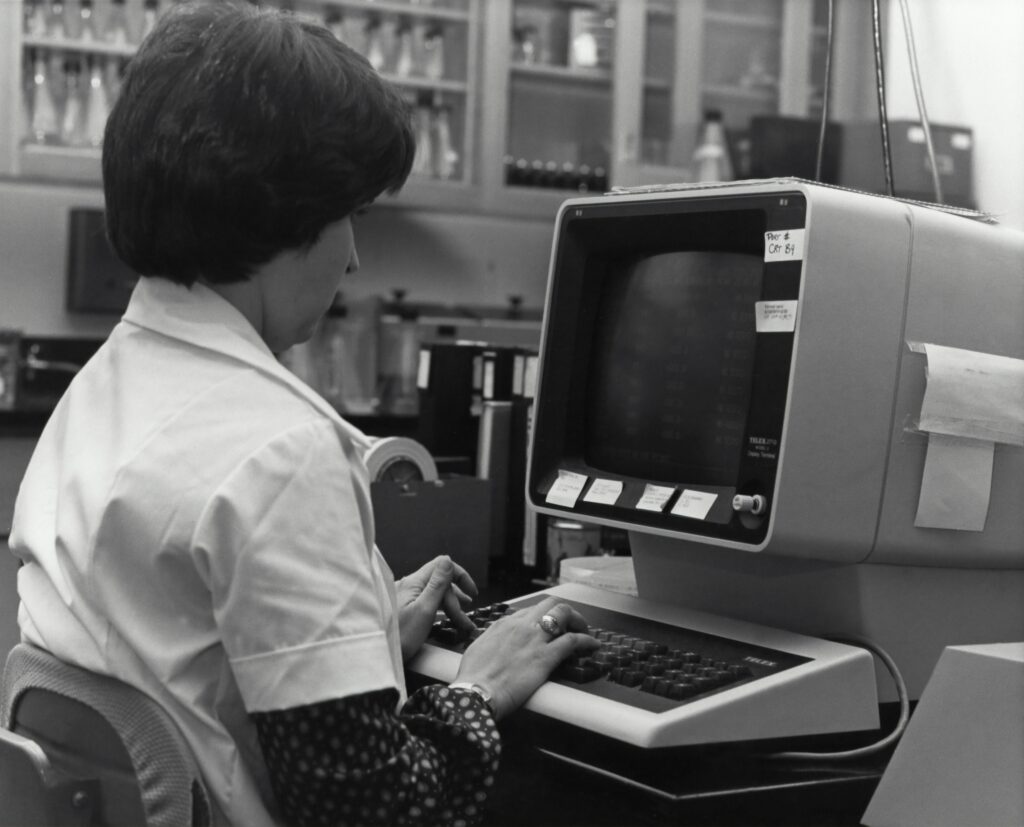
The 1970s: Birth of the Microcomputer
The 1970s marked the birth of the microcomputer era. In 1971, Intel introduced the 4004 microprocessor, the first commercially available microprocessor, laying the groundwork for personal computing. Two notable early personal computers emerged during this decade:
Altair 8800 (1975): Often considered the first successful microcomputer, the Altair 8800 was created by Micro Instrumentation and Telemetry Systems (MITS). It featured an Intel 8080 processor and was sold as a kit, appealing to hobbyists.
Apple I (1976): Developed by Steve Jobs and Steve Wozniak, the Apple I was one of the first computers with a single circuit board. It marked the beginning of Apple Inc., a major player in the industry.
The 1980s: The Rise of the PC Industry
The 1980s saw rapid growth in personal computing, driven by innovation and expanding markets:
IBM PC (1981): IBM’s introduction of the IBM Personal Computer revolutionised the industry. The IBM PC became a standard, with its open architecture encouraging third-party hardware and software development.
Microsoft and DOS: Microsoft’s MS-DOS operating system became the dominant software platform, fuelling the proliferation of compatible PCs.
Apple Macintosh (1984): Apple launched the Macintosh with a graphical user interface (GUI), making computers more user-friendly and appealing to a broader audience.
The 1990s: Mainstream Adoption and Technological Advancements
The 1990s marked the era of widespread PC adoption:
Windows Operating System: Microsoft released Windows 3.0 (1990) and Windows 95 (1995), which became the dominant OS for PCs, offering a more intuitive interface.
Hardware Improvements: PCs became more powerful, affordable, and compact. The rise of the internet in the late 1990s further increased PC usage.
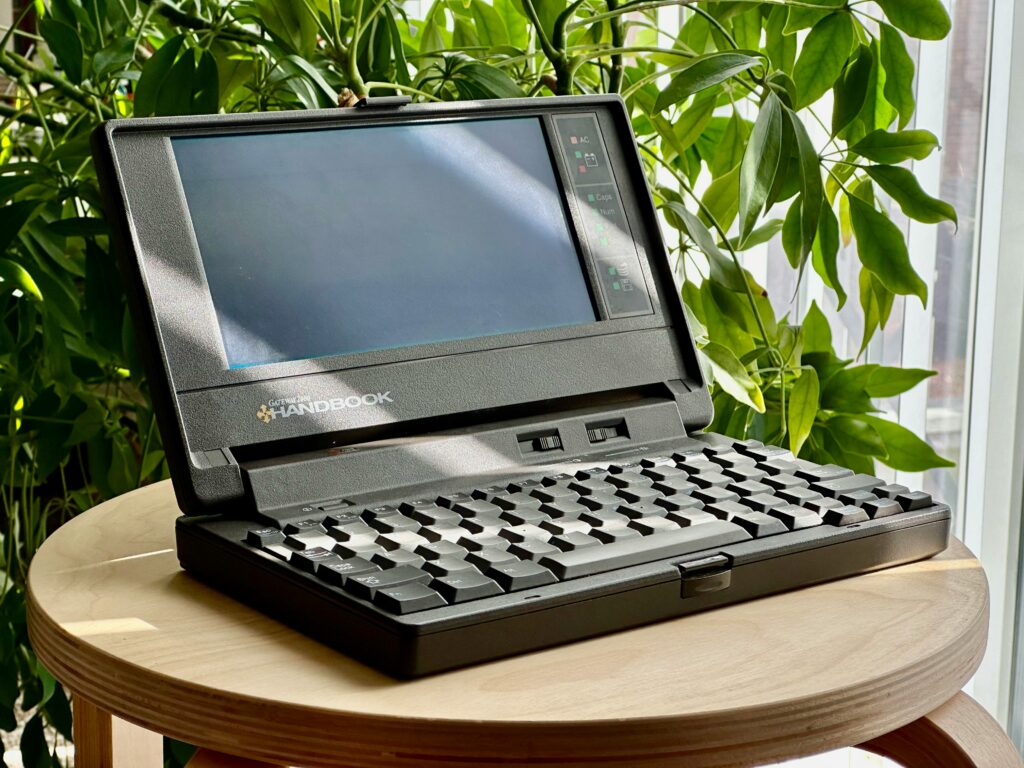
Desktop to Laptop: Portable laptops gained popularity, enabling computing on the go.
The 2000s and Beyond: Modern PCs and the Digital Age
In the 21st century, PCs continued to evolve rapidly:
Integration of Multimedia: Modern PCs support high-definition video, advanced gaming, and multimedia creation.
Rise of Alternatives: The emergence of tablets and smartphones introduced new competition, but PCs remained essential for productivity and specialised tasks.
Cloud Computing and Connectivity: Cloud services and high-speed internet have transformed the way PCs are used, emphasising connectivity and remote access.
Current Trends: Today’s PCs are more powerful, energy-efficient, and versatile. Innovations like touchscreens, SSD storage, and machine learning are shaping the future.
Conclusion
The history of the PC is a testament to human ingenuity and the relentless pursuit of making computing more accessible and powerful. From early kits and hobbyist machines to today’s sleek, multifunctional devices, the personal computer has become an indispensable part of modern life. As technology continues to advance, the future of the PC promises even more exciting developments.
trabantbettina

Bettina Anna Trabant, Founder of Life Organised, your professional organising and decluttering service in East London. Eco-conscious minimalist and avid tea drinker,