“The secret of getting ahead is getting started.” — Mark Twain
Introduction
In today’s fast-paced world, managing our daily tasks and responsibilities can often feel overwhelming. Whether you’re juggling work deadlines, household chores, personal goals, or social commitments, staying organised is key to maintaining productivity and reducing stress. One of the most effective tools for achieving this is the simple yet powerful to-do list.
What Is a To-Do List?
“A well-organised to-do list turns chaos into clarity and dreams into plans.” — Unknown
A to-do list is a written or digital compilation of tasks or activities that a person aims to complete within a certain period. It serves as a visual reminder of what needs to be done, helping individuals prioritise their responsibilities and stay focused.
The Purpose of a To-Do List
The main goal of a to-do list is to organise tasks, making them manageable and less intimidating. By listing out responsibilities, you create a clear roadmap for your day or week, ensuring that important activities aren’t forgotten. It also provides a sense of accomplishment as you check off completed tasks, boosting motivation and confidence.

Types of To-Do Lists
To-do lists come in various forms, catering to different preferences and needs:
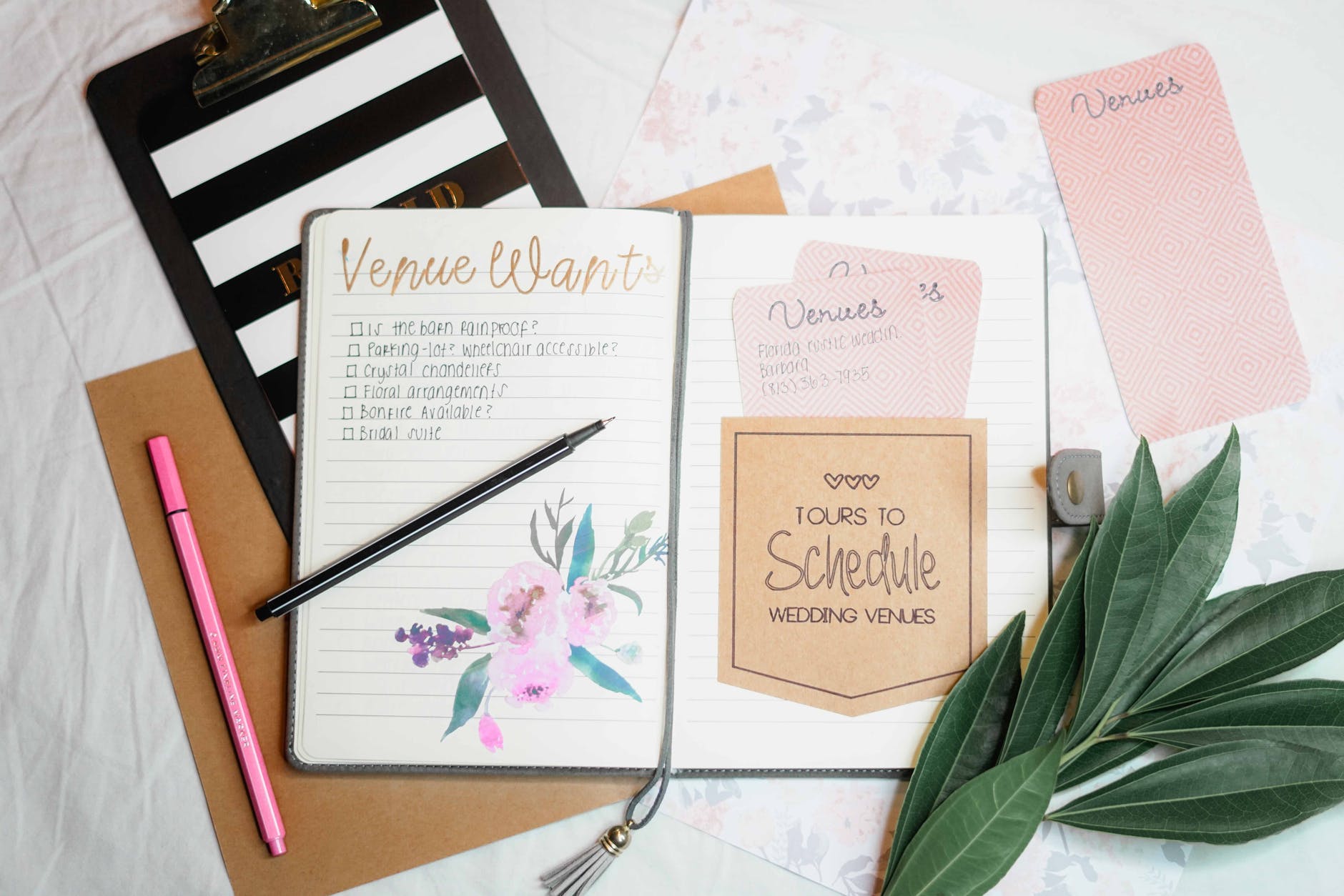
- Paper Lists: Traditional handwritten lists on notepads or sticky notes. They are simple and tangible, ideal for those who prefer pen and paper.
- Digital Lists: Created using apps or software on computers, tablets, or smartphones. Popular tools include Todoist, Microsoft To Do, Google Keep, and Trello. These often come with features like reminders, deadlines, and collaboration options.
Benefits of Using a To-Do List
Using to-do lists brings with it a number of benefits, from increasing productivity to better time management and more.
- Increased Productivity: Clearly outlined tasks help you focus on what’s important.
- Better Time Management: Prioritising tasks allows you to allocate your time effectively.
- Reduced Stress: Having a plan reduces anxiety about forgetting responsibilities.
- Enhanced Motivation: Crossing off completed tasks provides a sense of achievement.
- Goal Tracking: Helps you stay aligned with your long-term objectives by breaking them into actionable steps.
How to Make an Effective To-Do List
1. Be Specific: Clearly define each task.
2. Prioritise: Tackle urgent and important tasks first.
3. Break Down Large Tasks: Divide complex projects into smaller, manageable steps.
4. Set Deadlines: Assign due dates to stay on schedule.
5. Review Regularly: Update your list daily to keep it current and relevant.
Conclusion
A to-do list is an invaluable tool that helps you stay organised, productive, and motivated. Whether you prefer writing on paper or using digital apps, maintaining a list of tasks is a simple yet effective way to take control of your responsibilities and achieve your goals efficiently. Start creating your to-do list today and experience the difference it can make in your daily life!