

Practical, gentle strategies to help you feel more in control, reduce stress and make everyday life more manageable.
Have you ever looked at your to-do list and felt so overwhelmed that you didn’t know where to begin? Perhaps your home feels cluttered, your inbox is overflowing, your paperwork is piling up, or you simply feel as though there aren’t enough hours in the day.
When everything feels like too much, even small tasks can seem enormous. You might spend so much time worrying about what needs doing that you struggle to get anything done at all.
If this sounds familiar, you’re not alone.
Modern life places considerable demands on our time, attention and energy. We’re expected to manage our homes, work, relationships, finances, digital devices and countless everyday responsibilities. When these demands accumulate, it’s easy to feel as though we’re constantly playing catch-up.
But organising your life doesn’t mean becoming more productive at all costs, maintaining a perfectly tidy home or sticking to a rigid daily routine.
It’s about creating simple systems that make life easier, reduce unnecessary stress and give you more time and energy for what matters most.
At Life Organised, I believe that organisation should work for you, not become another source of pressure. You don’t have to change everything overnight. Small, manageable steps can make a meaningful difference.
In this guide, we’ll explore practical ways to organise your life when you’re feeling overwhelmed, from decluttering your surroundings to managing your time, digital information and everyday responsibilities.
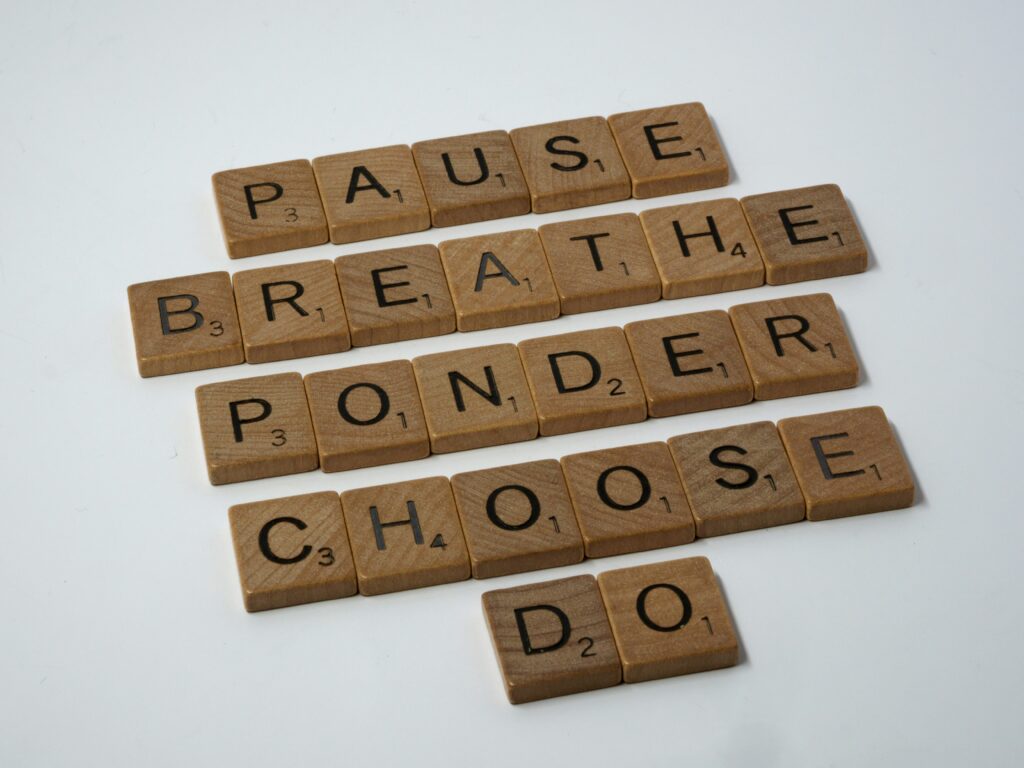
1. Start by Taking a Step Back
When you’re overwhelmed, your first instinct might be to tackle everything at once. You might decide to declutter the entire house, reorganise your computer, clear your inbox and create a new routine all in the same weekend.
Unfortunately, trying to do too much can leave you feeling even more exhausted.
Instead, give yourself permission to pause.
Take a few minutes to think about what’s making life feel difficult at the moment. Is it the amount of stuff you own? Too many commitments? A lack of time? Digital clutter? Exhaustion? Or a combination of several things?
You don’t need to solve everything immediately. The first step is simply to understand what is causing the most pressure.
Try this simple exercise
Take a piece of paper and write down everything that’s on your mind. Include unfinished tasks, household chores, appointments, worries and things you’ve been meaning to do.
Don’t worry about organising the list yet. Just get everything out of your head and onto paper.
Once you’ve finished, look at your list and ask yourself:
- What genuinely needs my attention?
- What can wait until later?
- Is there anything I can stop doing, delegate or ask for help with?
- Which one thing would make everyday life feel a little easier?
You don’t need to act on every item. The aim is to reduce the mental burden of trying to remember everything at once.
Remember: you don’t have to do everything today.

2. Focus on One Small Thing at a Time
One of the biggest mistakes we make when we’re overwhelmed is setting ourselves enormous tasks.
“Organise the whole house” sounds like one task, but it actually involves dozens of smaller decisions and activities. Where should you start? What should you keep? Where should things go? What happens to the items you no longer need?
It’s no wonder the prospect can feel exhausting.
Instead, break large projects into small, specific actions.
For example:
- Rather than decluttering your entire kitchen, clear one drawer.
- Rather than sorting all your paperwork, spend ten minutes dealing with one small pile.
- Rather than organising your whole computer, create a folder for your current projects.
- Rather than planning your entire week, identify your priorities for tomorrow.
Choose a task that feels achievable with the time and energy you have available.
If even ten minutes feels like too much, try five. If five minutes is too much today, choose something smaller or rest and return to it later.
The power of small wins
Completing a manageable task can help you feel more capable and make it easier to approach the next one. You may gradually build momentum, but you don’t have to rely on momentum to make progress.
The important thing is to find a pace you can sustain.
You don’t need to transform your life in a day. You need a starting point.
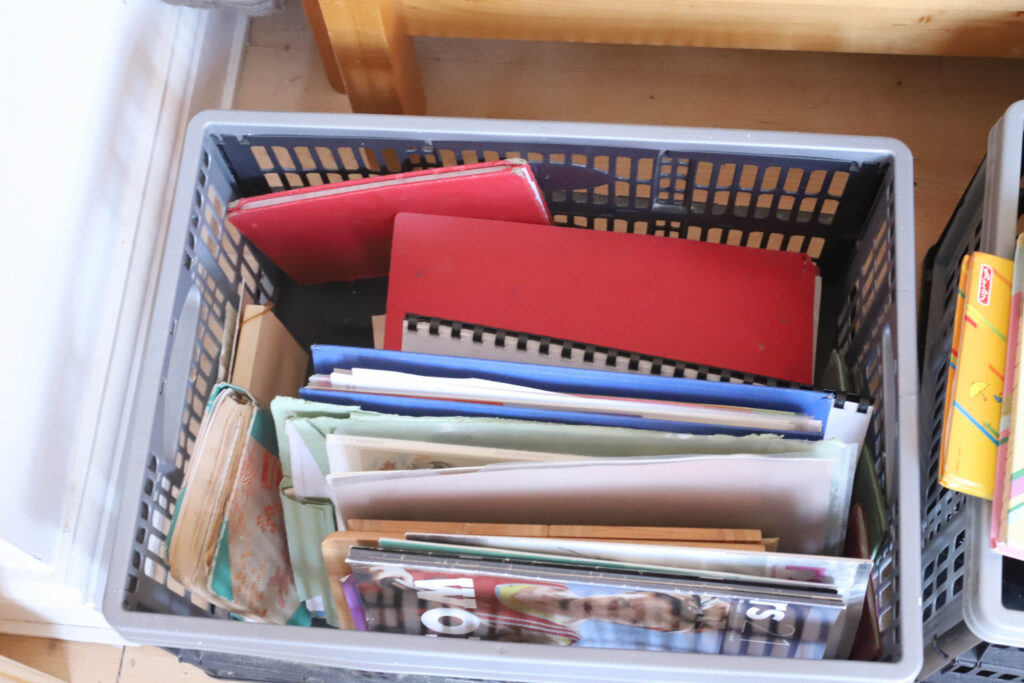
3. Declutter Your Physical Space
Our surroundings can affect how we feel and how easily we carry out everyday activities.
Clutter can make it harder to find things, clean our homes, use available space and relax. When we’re already under pressure, these additional frustrations can contribute to our sense of overwhelm.
However, decluttering doesn’t mean throwing everything away or turning your home into a minimalist showroom.
It’s about making your space work better for you.
Start with the area causing the most frustration
Think about the places in your home that regularly make everyday life harder.
Perhaps you can never find your keys, your kitchen worktop is covered in things, your wardrobe is full, but you have nothing you want to wear, or your paperwork has taken over the dining table.
Choose one area where a small improvement would have a noticeable benefit.
Try the following approach:
- Choose a manageable area. Start with a single shelf, drawer or surface.
- Remove obvious rubbish. Recycle or dispose of items that are no longer useful, where appropriate.
- Group similar items together. This helps you see what you have.
- Consider what you actually use. Ask whether each item serves a purpose or has a place in your life.
- Give remaining items a practical home. Store frequently used things where you naturally need them.
- Decide what to do with unwanted items. Consider donating, selling, repairing or recycling them where appropriate.
You don’t need to finish the entire area in one sitting. Stop when you’ve reached your planned limit or your energy begins to run low.
Let go of unrealistic expectations
You don’t need an empty wardrobe, perfectly organised cupboards or matching storage containers to have an organised home.
Your home should support the way you live, not create more work for you.
If you have limited time, energy or mobility, prioritise the areas that make the biggest difference to your daily life. Clear access to essential items, a usable kitchen surface or a comfortable place to sit may be far more valuable than a perfectly arranged bookshelf.
And if your home feels seriously overwhelming, particularly if you struggle to part with possessions, you don’t have to manage it alone. Compassionate, non-judgemental support can help you work at a pace that feels manageable.
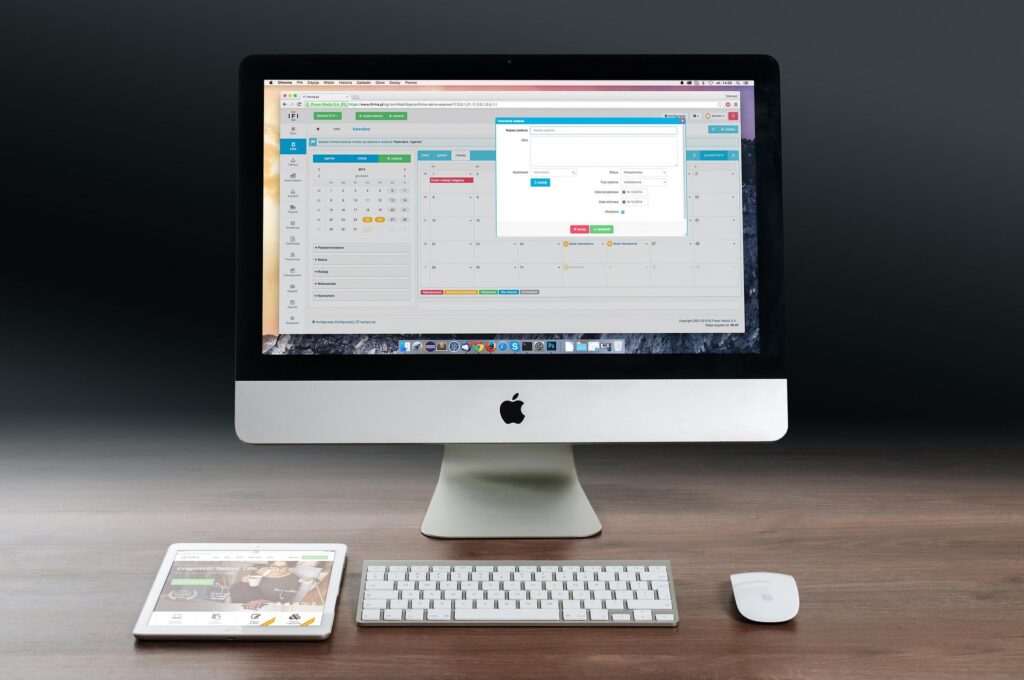
4. Get Your Digital Life Under Control
Digital clutter is easy to overlook because it doesn’t take up physical space. Yet thousands of files, hundreds of unread emails, duplicate photographs and a confusing collection of folders can create their own kind of overwhelm.
When information is scattered across your phone, computer, email accounts and cloud storage, finding what you need can become unnecessarily difficult.
The solution isn’t to organise every digital file at once. It’s to create a simple structure that makes information easier to find and maintain.
Start with one digital problem
Choose the issue that causes you the most frustration.
For example:
- An email inbox filled with unread messages.
- A desktop covered in files and screenshots.
- Documents scattered across different folders.
- A phone full of unused apps.
- A cloud storage account you find difficult to navigate.
- Passwords and important information stored in different places.
Focus on one problem before moving on to another.
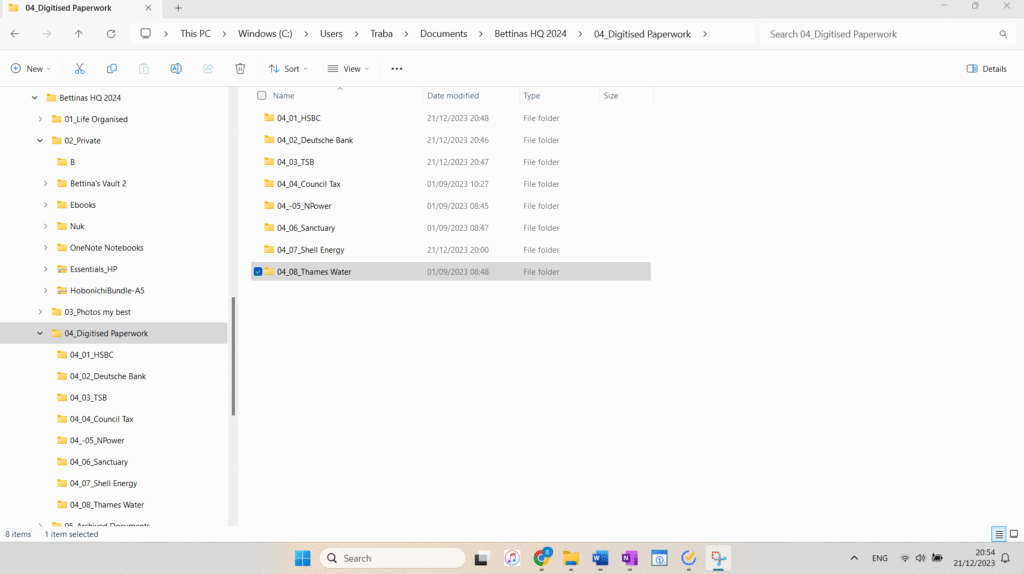
Create a simple folder structure
A useful folder system should reflect how you think about and use your information.
For personal documents, you might begin with broad categories such as:
- Home and Household
- Money and Finance
- Health and Wellbeing
- Work and Projects
- Personal Documents
- Reference and Information
These are examples, not rules. Adapt them to suit your circumstances.
Use clear, descriptive folder and file names. For example, a document named Electricity_Bill_September_2026.pdfis generally easier to identify than Document_Final2.pdf.
Avoid creating too many layers of folders. If your system becomes complicated, you’ll be less likely to use it.
Make digital decluttering a gradual process
You don’t have to sort every email, photograph or document before your digital life becomes more manageable.
Start by organising new information properly. Then gradually work through older material as time allows.
Be cautious when deleting files, particularly financial, legal, medical or other important records. Check whether you need to retain them and make sure you have an appropriate backup before removing anything.
The goal is not a perfectly empty inbox or a spotless desktop. It’s being able to find what you need without unnecessary frustration.

5. Organise Your Time and Priorities
Sometimes the problem isn’t that we’re disorganised. It’s that we have too much to do and not enough time to do it.
When your to-do list is endless, adding another productivity app or planning system may not help. You may need to reconsider what you’re expecting of yourself.
Separate urgent tasks from important ones
Write down the tasks competing for your attention, then consider which ones genuinely need to happen soon.
You could divide them into three simple groups:
Needs attention soon: Essential tasks, important deadlines and time-sensitive responsibilities.
Can be scheduled: Tasks that matter but don’t need to happen immediately.
Can wait or be dropped: Things that aren’t essential right now, including some expectations you’ve placed on yourself.
Be realistic about what you can accomplish in a day. A short list of genuine priorities is often more useful than a long list that leaves you feeling inadequate.
Try the three-priority method
At the beginning of each day, identify three priorities.
These don’t have to be three major achievements. One might be attending an appointment, another could be preparing a meal, and the third might be spending fifteen minutes on an important piece of paperwork.
If you complete those tasks, you’ve made progress.
Anything else you accomplish is a bonus, not an obligation.
On difficult days, your priorities may be much smaller. That’s perfectly reasonable.
Leave room for the unexpected
A schedule that fills every available minute leaves little room for delays, interruptions or rest.
Instead, build some flexibility into your day. Allow extra time for tasks that usually take longer than expected, and avoid treating every uncompleted task as a failure.
Your plans should help you manage your time, not make you feel trapped by it.
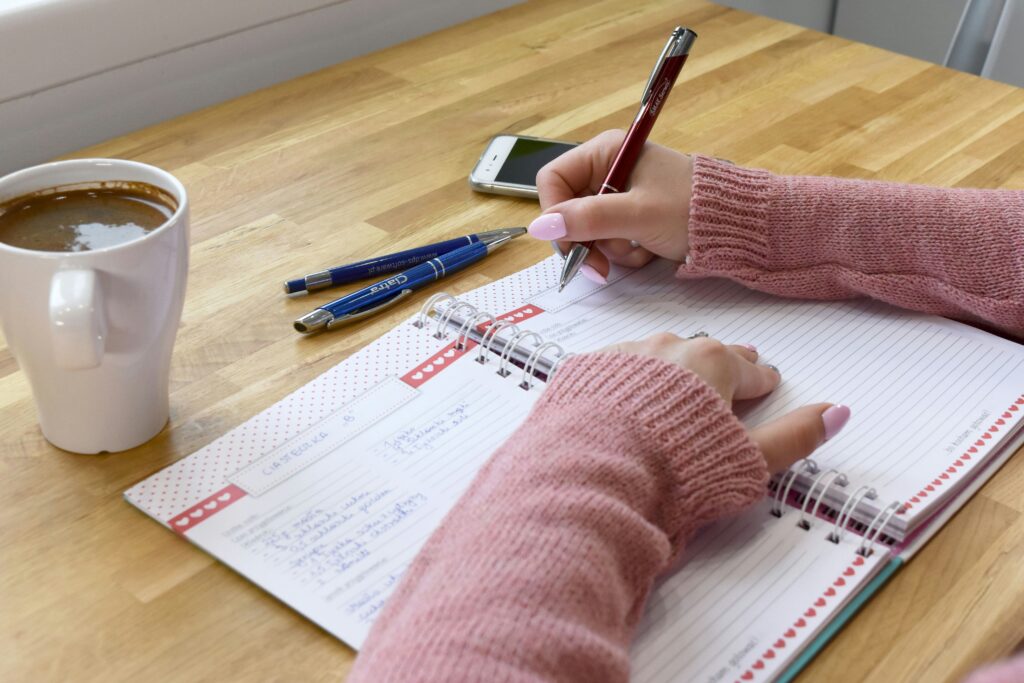
6. Create Simple Routines That Reduce Decision-Making
Everyday life involves many small decisions: what to eat, when to shop, where to put things, what needs cleaning and which tasks to tackle first.
When you’re already tired or stressed, these decisions can feel surprisingly demanding.
Simple routines can reduce the number of things you need to think about.
The key is to create routines that fit your life rather than copying someone else’s ideal schedule.
Start with everyday essentials
Consider which recurring activities would benefit from a little structure.
A morning routine might include:
- Checking your calendar.
- Identifying your main priority.
- Preparing anything you need for the day.
An evening routine might include:
- Putting essential items back in their usual places.
- Checking tomorrow’s appointments.
- Preparing something that will make the following morning easier.
A household routine might include:
- A regular time to deal with laundry.
- A simple meal-planning habit.
- A short weekly review of paperwork and upcoming commitments.
These are suggestions, not a checklist you must complete every day.
If a routine involves too many steps, simplify it. If it doesn’t work for you, change it.
Use habits you already have
One way to make a new routine easier is to attach it to something you already do.
For example, when you make your morning cup of tea, you could check your calendar. After dinner, you might spend a few minutes preparing for the following day.
The new activity becomes associated with an existing habit rather than requiring you to remember an entirely separate task.
And remember that routines are tools, not rules. Missing a day doesn’t mean you’ve failed. You can simply start again when you’re ready.

7. Manage Your Energy, Not Just Your Time
Time management advice often assumes that we have roughly the same amount of energy available every day.
In reality, our capacity varies. Work, caring responsibilities, disability, chronic illness, stress, poor sleep and mental health difficulties can all affect what we are able to do.
You can have several free hours and still lack the energy to tackle a demanding task.
That’s why organising your life should involve managing your energy as well as your time.
Match tasks to your available energy
Think about which activities require the most physical effort, concentration or emotional energy.
You might find that some tasks are easier to complete in the morning, while others are more manageable later in the day.
Where possible:
- Tackle demanding tasks when you tend to have more energy.
- Break physically or mentally exhausting activities into smaller sessions.
- Alternate demanding tasks with lighter ones.
- Build rest into your plans rather than treating it as a reward.
- Keep essential items within easy reach to reduce unnecessary effort.
- Ask for help with tasks that are difficult to manage alone.
If your energy is unpredictable, create flexible plans rather than rigid schedules.
You could have a list of essential tasks, a list of optional tasks and a few low-energy activities you can choose from on difficult days.
Create a minimum version of your routine
Think about what you genuinely need to do when you’re having a difficult day.
Perhaps your minimum routine is to eat something, take care of essential personal needs, deal with one urgent responsibility and rest.
Everything else can wait where circumstances allow.
This isn’t about giving up. It’s about recognising that your needs and capacity change, and making your systems flexible enough to accommodate that.
Rest is part of a manageable life, not something you have to earn by finishing every task.

8. Reduce the Mental Load of Everyday Life
The mental load is the work involved in remembering, planning and organising everything that needs to happen.
It’s not just doing the shopping; it’s remembering what’s running out, deciding what to buy, making a list and working out when to go.
It’s not just attending an appointment; it’s remembering to book it, finding the relevant information and arranging transport.
When you’re responsible for keeping track of countless details, your mind can feel permanently occupied.
Stop relying on memory alone
Create one trusted place to capture tasks, reminders and commitments.
This could be a paper notebook, a diary, a digital task manager or a calendar. The best system is one you’ll actually use.
Record tasks as soon as you think of them, rather than repeatedly reminding yourself not to forget.
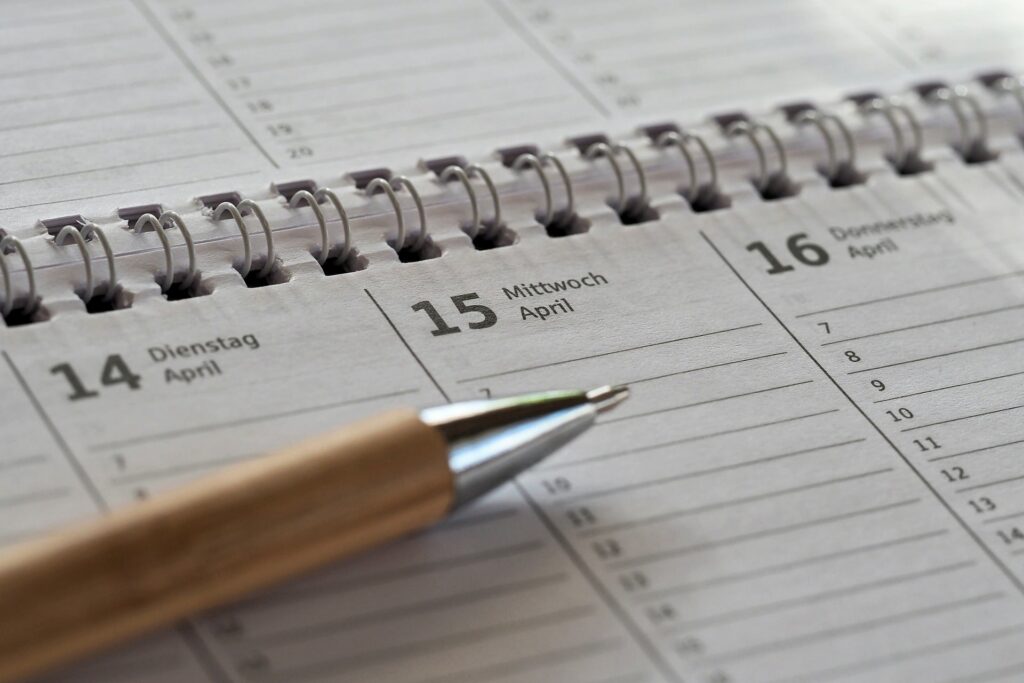
Use your calendar for appointments and time-specific commitments. Use your task list for things you need to do but haven’t scheduled.
Try not to maintain several competing lists across different notebooks, apps and scraps of paper.
You don’t need a sophisticated system. You need somewhere reliable to put information so you can stop carrying it all in your head.
Make recurring tasks easier
Look for opportunities to reduce repeated decision-making.
For example, you could:
- Keep a regular shopping list and add items as they run out.
- Plan a few simple meals you enjoy and can prepare easily.
- Set reminders for routine household or administrative tasks.
- Store frequently used items in predictable places.
- Keep important documents together in an accessible location.
Small systems can remove a surprising amount of friction from everyday life.
Share the responsibility where possible
If you live with other people, consider whether household and family responsibilities can be shared more fairly.
Rather than asking someone to help with individual tasks every time, agree on who is responsible for particular activities from beginning to end.
You shouldn’t have to manage every detail alone.

9. Learn to Say No and Let Go of Unnecessary Commitments
Sometimes we feel overwhelmed because our lives are full of things we’ve agreed to do, expectations we’ve accepted or responsibilities we’ve never questioned.
Organisation cannot solve every problem created by an overloaded schedule.
Sometimes, the most useful change is to do less.
Look at your current commitments and ask yourself whether each one is necessary, meaningful or manageable.
Is there a meeting you don’t need to attend? A voluntary commitment you need to pause? A household standard you could relax? A task that could be postponed or delegated?
You don’t need to justify every decision to do less.
Practise saying no
If you find it difficult to turn down requests, try a few simple responses:
- “I’m afraid I don’t have the capacity to take that on at the moment.”
- “Let me check my commitments before I agree.”
- “I can’t manage that right now, but thank you for asking.”
You can be considerate of other people without saying yes to everything.
Challenge perfectionism
You don’t have to cook elaborate meals every evening, keep every surface spotless, respond to every message immediately or complete every task to the highest possible standard.
Ask yourself what “good enough” would look like.
A simple meal, a reasonably tidy room or a short reply may be entirely sufficient.
Reducing unnecessary expectations creates room for rest, relationships and activities that bring you enjoyment.
10. Make Your Home and Digital Systems Easy to Maintain
An organising system isn’t successful simply because everything looks tidy when you’ve finished.
It needs to keep working in everyday life.
If putting something away requires several steps, you’re less likely to do it when you’re tired. If a filing system is too complicated, paperwork will accumulate elsewhere.
The best systems are usually the ones that are easy to understand and easy to maintain.
Design systems around how you live
Consider what happens naturally in your home.
If coats and bags always end up near the front door, create a convenient place for them there.
If you use certain kitchen items every day, keep them accessible rather than storing them in difficult-to-reach cupboards.
If you regularly misplace your keys, designate a specific place for them near the entrance.
Apply the same principle to digital information. Put files where you would naturally expect to find them, and use names that make sense to you.
Make putting things away easier
Try to remove unnecessary steps from everyday tasks.
You might use an open basket for items that need to go upstairs, keep cleaning supplies near the areas where they’re used or place a recycling container somewhere convenient.
You don’t need to buy lots of storage products. Sometimes moving an item to a more practical location is enough.
Build in small maintenance habits
Once you’ve established a system, use short, occasional check-ins to keep it working.
You might spend a few minutes reviewing your calendar, clearing a work surface or filing recent documents.
These small actions can prevent everyday clutter from becoming a much bigger project.
However, don’t turn maintenance into another demanding routine. If a system requires constant effort, simplify it.

11. Be Kind to Yourself When Things Don’t Go to Plan
Perhaps you’ve tried organising your life before. You bought a planner, downloaded a productivity app, started a decluttering project or created a detailed schedule.
Initially, you felt motivated. Then life got in the way, your energy dipped or the system became too complicated to maintain.
It’s easy to interpret this as a personal failure.
But a system that doesn’t work for you isn’t evidence that you’re disorganised, lazy or incapable.
It may simply be the wrong system for your circumstances.
A routine designed for someone with predictable working hours may not suit someone with fluctuating energy. A complicated digital filing structure may not suit someone who prefers paper. A daily cleaning schedule may not be realistic for someone balancing several responsibilities.
Instead of blaming yourself, ask what needs to change.
Could you reduce the number of steps? Make the task smaller? Move it to a more convenient time? Find a simpler tool? Get some support?
Expect life to change
Your needs will change over time. A system that worked well last year may no longer suit your circumstances.
Review your approach occasionally and make adjustments without feeling that you have to start again from scratch.
And don’t compare your home, productivity or daily routine with carefully curated images on social media.
You’re not seeing the full picture of someone else’s life, and you don’t need to reproduce it.
Your goal is not to become a perfectly organised person. It’s to create a life that feels more manageable to you.

12. When You Need Extra Support
Sometimes, feeling overwhelmed is about more than a lack of organisation.
You might be dealing with prolonged stress, low mood, anxiety, grief, caring responsibilities, health difficulties or circumstances that have made everyday tasks harder to manage.
You may also be facing a level of clutter that feels impossible to tackle alone, or struggling with possessions in ways that cause significant distress.
In these situations, it’s important to recognise that you don’t have to solve everything through willpower or productivity techniques.
Depending on your circumstances, support could come from a trusted friend or family member, your GP, a relevant support organisation, a mental health professional or a professional organiser.
If you’re struggling with hoarding-related difficulties, compassionate support that respects your choices and works at your pace can be particularly valuable. Pressure, shame and judgement are unlikely to make an already difficult situation easier.
Seeking help is not a sign that you’ve failed. It is a practical step towards making life more manageable.
13. Your Simple Seven-Day Plan to Feel More Organised
If you’ve read this guide and aren’t sure where to start, use the following plan as a gentle starting point.
You don’t have to complete every activity. Treat it as a menu of ideas rather than another list of obligations.
Day 1: Clear your mind
Write down everything that’s on your mind. Identify one task that would make the biggest difference if you dealt with it.
Day 2: Improve one small area
Choose a drawer, shelf, kitchen surface or another small space that regularly frustrates you. Spend a few minutes making it more useful.
Day 3: Organise one digital task
Unsubscribe from a few unwanted emails, organise one folder or remove apps you no longer use. Avoid attempting a complete digital clear-out.
Day 4: Review your commitments
Look at your calendar and to-do list. Identify anything you can postpone, delegate or drop.
Day 5: Simplify one daily routine
Choose a recurring activity that feels unnecessarily difficult. Find one way to make it easier.
Day 6: Make time for rest
Give yourself permission to take a break without feeling that you must first finish every outstanding task.
Day 7: Reflect and choose what comes next
Think about what helped, what felt manageable and what you’d like to continue. Choose one small action for the following week.
If you miss a day, don’t worry. You can pick up wherever you left off, repeat a step or leave the plan entirely.
The purpose is to make life easier, not to create another set of deadlines.

Final Thoughts: Organisation Should Give You More Time for What Matters Most
When life feels overwhelming, it’s tempting to believe that you need to become more disciplined, work harder or find a better way to fit everything into your day.
But sometimes, what you need is less: fewer unnecessary possessions, fewer competing demands, fewer complicated systems and fewer expectations that leave you feeling exhausted.
You don’t need to organise every corner of your home, clear every digital file or establish a perfect routine before you can feel a difference.
Start with the thing that’s causing you the most difficulty. Break it into manageable steps. Find systems that suit your circumstances, and give yourself permission to adapt them as life changes.
Some days you’ll accomplish more than others. Some weeks will be easier than others. That’s part of being human.
At Life Organised, the aim is simple: to help you create calmer spaces, more manageable routines and more room for what matters most.
You don’t have to do everything at once. You just have to find a starting point that works for you.
How Life Organised Can Help
If you’re feeling overwhelmed by clutter, paperwork, digital files or everyday responsibilities, you don’t have to work everything out on your own.
Life Organised offers practical, compassionate support to help you find solutions that work for your circumstances.
Whether you need help decluttering a room, organising your digital files, managing accumulated belongings or finding simpler ways to approach everyday life, we can work together at a pace that feels manageable.
There is no expectation of perfection, and no judgement about where you’re starting from.
Ready to take the first step?
Visit Life Organised to find out more about the support available.
Life Organised – Creating More Time for What Matters Most.
trabantbettina

Bettina Anna Trabant, Founder of Life Organised, your professional organising and decluttering service in East London. Eco-conscious minimalist and avid tea drinker,