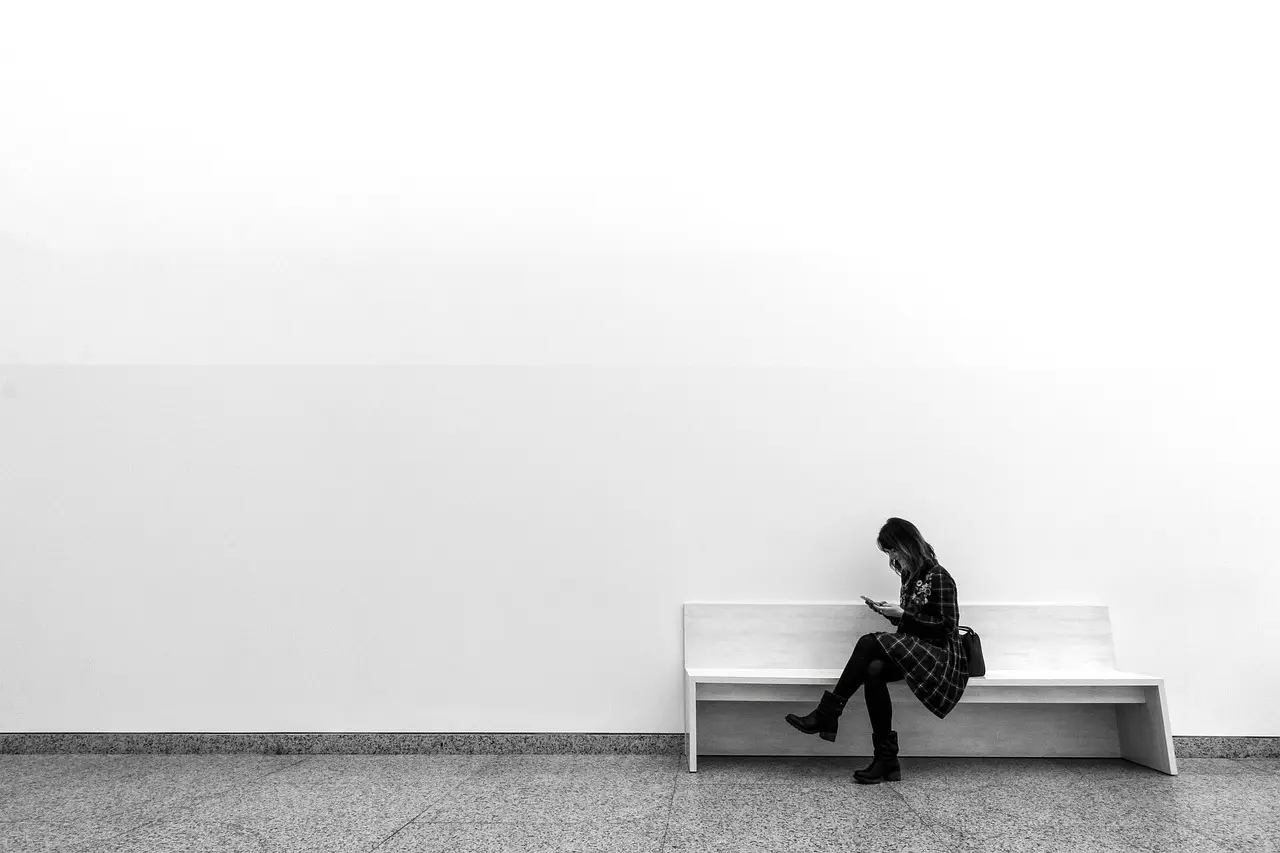
“Perfection is achieved, not when there is nothing more to add, but when there is nothing left to take away.” — Antoine de Saint-Exupery
Introduction
I have written about Minimalism on this blog on multiple occasions. If you’re new to this blog or to Minimalism, check out my article entitled What is Minimalism? and What Are the Benefits Of A Minimalist Lifestyle?
But Minimalism does not equal Minimalism. As with other movements, there are different strands, such as Eco Minimalism, Frugal Minimalism, Aesthetic Minimalism, and more. In today’s blog post, I want to introduce readers to the concept of Extreme Minimalism.
What is Extreme Minimalism?
Extreme Minimalism is a lifestyle that involves intentionally owning and using as few possessions as possible, often to simplify life and create more space and focus. This can include practices such as decluttering, selling or donating items, and reducing consumption to an absolute minimum. Some extreme minimalists even choose to live furniture-free or with minimal furniture.
Key aspects of extreme Minimalism
- Decluttering and Minimising Possessions:
This involves systematically reducing the number of owned items to the bare essentials, often focusing on those that are genuinely needed or bring joy.
- Living with Less:
This can extend beyond physical possessions to include simplifying daily routines, reducing consumption, and minimising commitments.
- Focus on Experiences and Values:
Extreme minimalists often prioritise experiences, personal growth, and values over material possessions, seeking to find happiness and fulfilment through non-material means.
- Potential for Furniture-Free Living:
Some extreme minimalists choose to live without traditional furniture, using the floor or other simple solutions for seating and sleeping.
- Aesthetic Simplicity:
Extreme Minimalism often involves creating a visually clean and uncluttered environment, with a focus on neutral colours and simple designs.
Examples of extreme Minimalism
- Furniture-free living:
Some extreme minimalists choose to live without traditional furniture, using the floor or simple mats for seating and sleeping.
- Limited wardrobe:
They may own a very small number of clothing items, often in a limited colour palette.
- Minimalist kitchen:
The kitchen might contain only the absolute essentials, like a few plates, bowls, and utensils.
- Reduced consumption:
Extreme minimalists may focus on reducing their consumption of goods and services, including food, energy, and other resources.
Benefits of extreme Minimalism
- Reduced stress and anxiety:
A less cluttered environment can lead to a calmer and more focused mind.
- Increased focus and productivity:
By minimising distractions, extreme minimalists can focus more effectively on their goals and values.
- Financial freedom:
Living with less can lead to reduced expenses and increased financial stability.
- Environmental impact:
Extreme Minimalism can lead to reduced consumption and waste, contributing to a smaller environmental footprint.
Potential challenges of extreme Minimalism
- Social isolation:
Some extreme minimalist practices, such as furniture-free living, may be seen as unusual or unconventional by others.
- Practical limitations:
It can be challenging to adapt to a life with very few possessions, especially when it comes to social events or unexpected situations.
- Potential for rigidity:
Extreme Minimalism can sometimes become a rigid set of rules rather than a flexible approach to living.
Conclusion
Ultimately, extreme Minimalism is a personal choice and can be adapted to suit individual needs and preferences. Some people may find it a liberating and fulfilling way to live, while others may prefer a more moderate approach to Minimalism.
trabantbettina

Bettina Anna Trabant, Founder of Life Organised, your professional organising and decluttering service in East London. Eco-conscious minimalist and avid tea drinker,