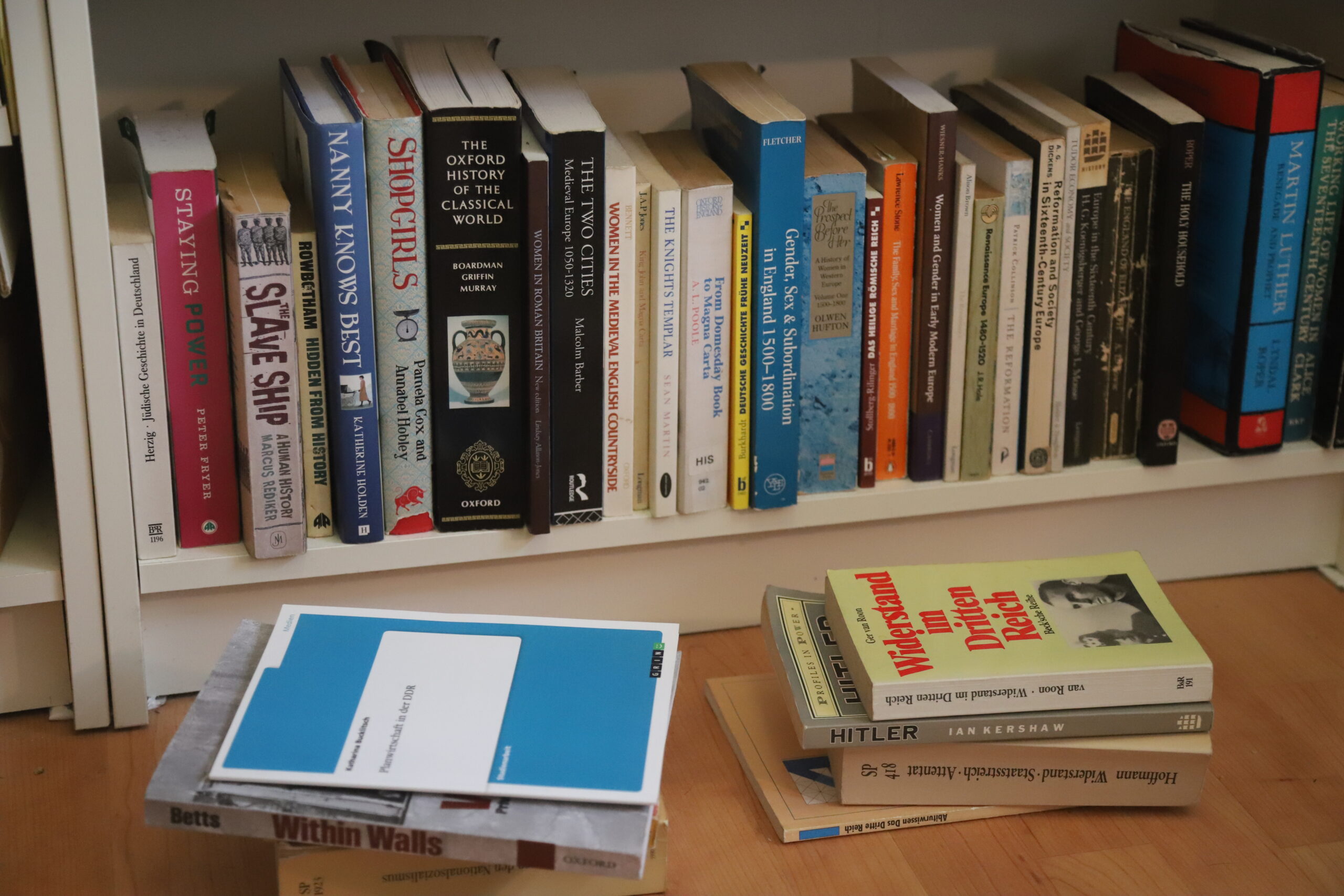

‘Reading is to the mind what exercise is to the body.’ – Joseph Addison.
Introduction – A month of reading 100 pages a Day
Since I first learned to read in the early 80s, I have been an avid reader, from fiction to decluttering books and more. I still read a lot of books each year, despite the internet and other modern distractions.
According to the Reading Agency, only 53% of UK adults consider themselves regular readers in 2025, an improvement from 2024 (50%), but still an overall downward trend compared to 2015 (58%).
The above findings by the Reading Agency chime with my experience amongst people in my vicinity. Many people don’t read; some would like to read but blame digital destruction. According to a Guardian article from two years ago about reading, 16% of lapsed readers said that less time on social media would help them get back into reading:
Asked what would help lapsed readers fit in more reading, 39% said more time for themselves, followed by shorter working hours (22%), guidance on how to choose books (17%), less time on social media (16%) and improved accessibility options (14%).
If you want to get some hints and tips on how to read more and spend less time on your phone, read my article here.
As part of my year of self-experiments, this June, I attempted to read 100 pages a day. Before I tell the reader how I got on, I will briefly touch on the benefits of reading and offer some strategies for reading more.
The Benefits of Reading: Why Reading Every Day Can Improve Your Life
Reading is one of the simplest yet most powerful habits you can develop. Whether you enjoy novels, biographies, self-improvement books, or non-fiction, making time to read every day can have a lasting impact on your mental health, knowledge, and personal growth.
In today’s fast-paced digital world, reading offers a chance to slow down, focus, and invest in yourself. Let’s explore the many benefits of reading and why it deserves a place in your daily routine.
1. Reading Expands Your Knowledge
One of the greatest benefits of reading is gaining knowledge. Every book introduces new ideas, perspectives, and information that help you better understand the world.
Whether you’re reading about history, business, science, or personal development, each page builds your knowledge and encourages lifelong learning.
Reading regularly helps you become more informed and confident in conversations, work, and everyday life.
2. Reading Improves Vocabulary and Communication Skills
Reading exposes you to new words, sentence structures, and writing styles. Over time, this naturally improves your vocabulary and strengthens both your writing and speaking abilities.
Better communication skills can help you succeed in school, advance your career, and build stronger personal relationships.
Reading improves vocabulary
3. Reading Strengthens Brain Function
Reading is a workout for your brain. It requires concentration, memory, and critical thinking as you process information and connect ideas.
Studies have shown that keeping your brain mentally active may help maintain cognitive function as you age.
Benefits include:
- Improved focus and concentration
- Better memory
- Enhanced problem-solving skills
- Stronger analytical thinking
4. Reading Reduces Stress and Promotes Relaxation
One of the lesser-known benefits of reading is its ability to reduce stress. Immersing yourself in a good book offers a healthy escape from daily worries and helps your mind relax.
Even reading for just 20 minutes before bed can help you unwind after a busy day and support a healthier bedtime routine.
5. Reading Encourages Creativity and Imagination
Books invite you to imagine people, places, and experiences beyond your own. This stimulates creativity and encourages innovative thinking.
Creative thinking isn’t just valuable for artists—it’s an essential skill for solving problems, generating ideas, and adapting to new situations.
6. Reading Builds Empathy
Fiction, biographies, and memoirs allow readers to experience life through someone else’s perspective.
This helps develop empathy, emotional intelligence, and a greater understanding of different cultures, beliefs, and life experiences.
7. Reading Supports Personal Growth
Many people turn to books to learn new skills, improve productivity, build confidence, or develop healthier habits.
Reading encourages continuous learning and self-improvement, making it one of the best investments you can make in yourself.
How to Develop a Daily Reading Habit
Building a reading habit doesn’t have to be difficult. Here are a few simple tips:
- Read for 15–20 minutes each day.
- Carry a book or an e-reader with you.
- Replace some screen time with reading.
- Join a book club for motivation.
- Choose books that genuinely interest you.
- Set a realistic reading goal, such as one book each month.
Small, consistent steps can turn reading into a lifelong habit.
Frequently Asked Questions
What are the main benefits of reading?
Reading improves knowledge, vocabulary, concentration, creativity, communication skills, empathy, and overall mental well-being.
How much should I read each day?
Even 15–20 minutes of reading each day can provide noticeable benefits over time. Consistency is more important than the number of pages you read.
Does reading help reduce stress?
Yes. Reading can help calm the mind, reduce stress levels, and provide a healthy break from the demands of everyday life.
Final Thoughts
The benefits of reading go far beyond entertainment. Reading helps you learn, grow, think more clearly, communicate effectively, and better understand the world around you.
No matter your age or interests, developing a daily reading habit is one of the most valuable investments you can make. Start with just a few pages each day, and over time you’ll discover how powerful reading can be for your personal and professional life.
How did I get on?
Short answer: I failed. But why? Was I lazy? Did I spend too much time in Cyberspace or on my phone? No, I did neither of these things. Two factors have contributed to my failure. Firstly, I read a lot of eBooks and some of those didn’t have page numbers, so I wasn’t able to check how many pages I read. Secondly, I went away to see my parents and had a friend around, which vastly restricted my reading time.
What did I read?
- Matt Haig. Midnight Train
- Gunter Grass. Die Plebejer proben den Aufstand
- David Nash. Witches and Witchcraft
- Marion Gibson. Witchcraft. The basics
- Jonathan Barry. Witchcraft in Early Modern Europe
- Agatha Christie. Miss Marple’s Final Cases
- Agatha Christie. And then there were None
- Agatha Christie. Appointment with Death
- Marianne Hester. Lewd Women and Wicket Witches
- Agatha Christie. A Hollow
- Heinz Strunk. Fleckenteufel
- Agatha Christie.The Mouthtrap
- Marion Gibson. Reading Witchcraft
- Allan Farmer. Access to History: The Witchcraze of the 16th and 17th Centuries, Second Edition
What did I learn, and would I recommend it?
I learned that it is tough to read an exact number of pages each day and to find time to read 100 pages.
I believe a challenge like this would benefit someone trying to get back into reading, even if they set a lower goal or didn’t reach the exact number of pages they set out to read.
trabantbettina

Bettina Anna Trabant, Founder of Life Organised, your professional organising and decluttering service in East London. Eco-conscious minimalist and avid tea drinker,