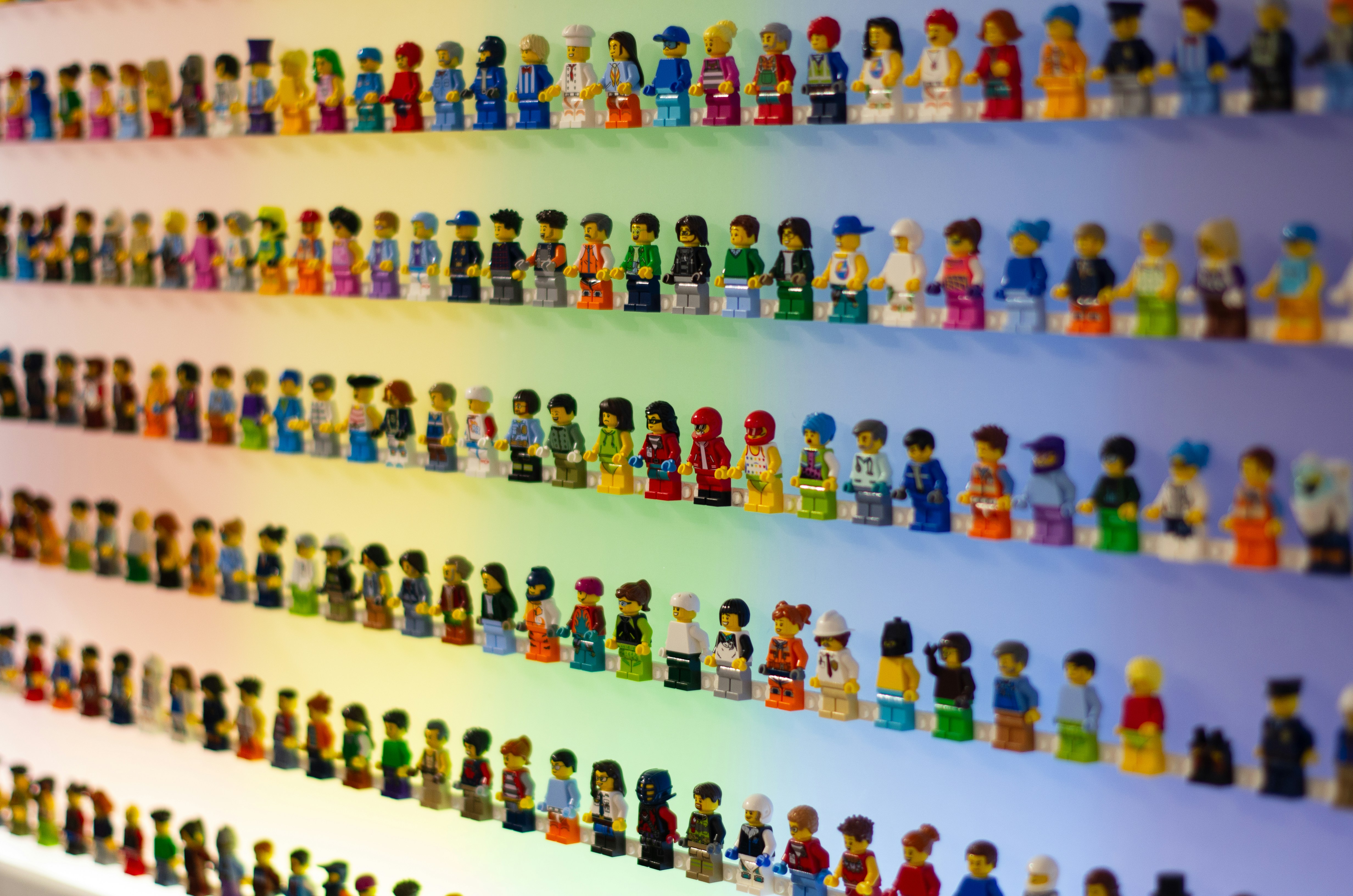
People often find it difficult to distinguish between a collection and clutter. Sometimes, we deliberately blur the boundaries to convince ourselves that our assortment of old clothes is actually a vintage collection of dresses from past decades.
This way of thinking can make it much harder to tackle clutter and regain control of our homes. In our minds, that pile of belongings or those overflowing storage spaces really are valuable and worth keeping. It also allows us to avoid confronting the emotional barriers that can make it difficult to part with things.
I’m not judging anyone here. I know how hard it can be to let go of possessions. We often attach memories and emotions to our belongings.
I once had a grey dress with doves on it that I bought from GAP. I loved wearing it. It made me feel good, looked great, and, best of all, it didn’t need ironing! After losing weight and dropping two dress sizes, I kept that dress for more than a year, even though I knew I was unlikely to wear it again.
So, what is clutter?
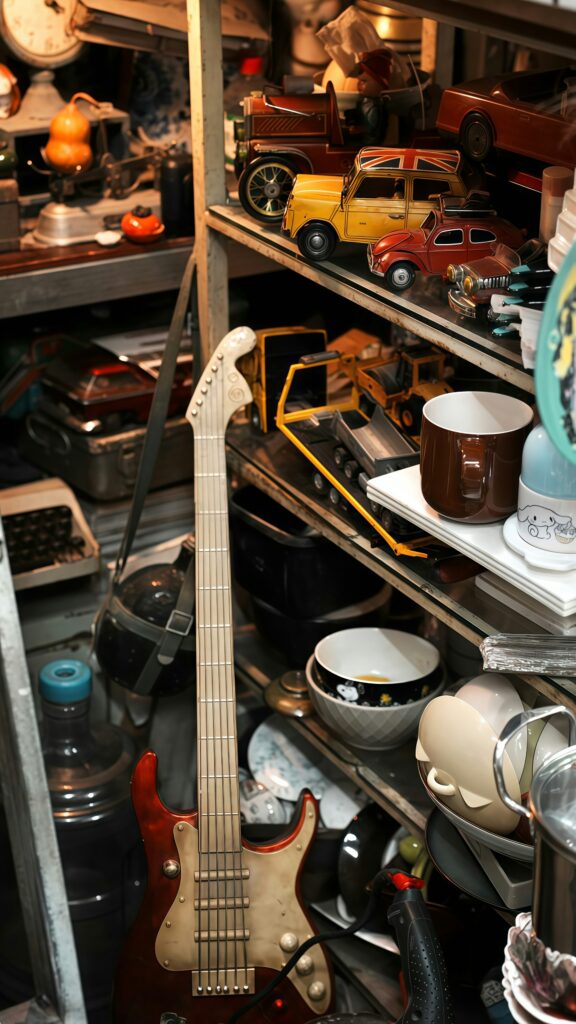
We can broadly define clutter as a random selection of possessions that take up space in our homes without necessarily serving a useful purpose. One of the defining characteristics of clutter is that individual items can become difficult to find amongst everything else.
Take newspapers and magazines, for example. You might have a vast collection scattered around your home, each containing an article you read and thought was worth keeping.
But be honest with yourself: how likely are you to find a particular article if you suddenly want to read it again?
In today’s world, when we are already swamped with information, do you even remember that you have an article about Topic A or Topic B somewhere in your home?
The same principle can apply to other areas of the house. Take your food cupboard or spice collection. If you have dozens of spices crammed into your larder, where is that Cajun pepper when you actually need it?
There is an important distinction here. Having lots of something doesn’t automatically mean you have clutter. The problem arises when the quantity of possessions makes it difficult to use, find, organise or enjoy them.
Some clutter is perfectly normal
A certain amount of clutter is normal in most people’s homes. Life circumstances mean that very few of us have a permanent ‘show home’ – and do we even want one?
Going out with friends, walking the dog, exercising, spending time with family or simply relaxing can be far more enjoyable – and sometimes much more important – than maintaining a perfectly tidy house.
The issue is when clutter begins to take over your home and, ultimately, your life.
When does collecting become hoarding?
This is where it becomes important to distinguish between collecting, clutter and hoarding.
Renee Garcia, in her article The Difference Between an Obsessive Collector and Hoarder, describes hoarding as the need to hold onto possessions regardless of their worth or condition:
“Hoarders, on the other hand, have a strong perceived need to keep the items, despite their condition, believing that they may need them, or they will be valuable in the future. Individuals who are compulsive hoarders have difficulty discarding items and become extremely distressed at even the thought of doing so. The result of the hoarding leads to clutter, distress and impairment.”
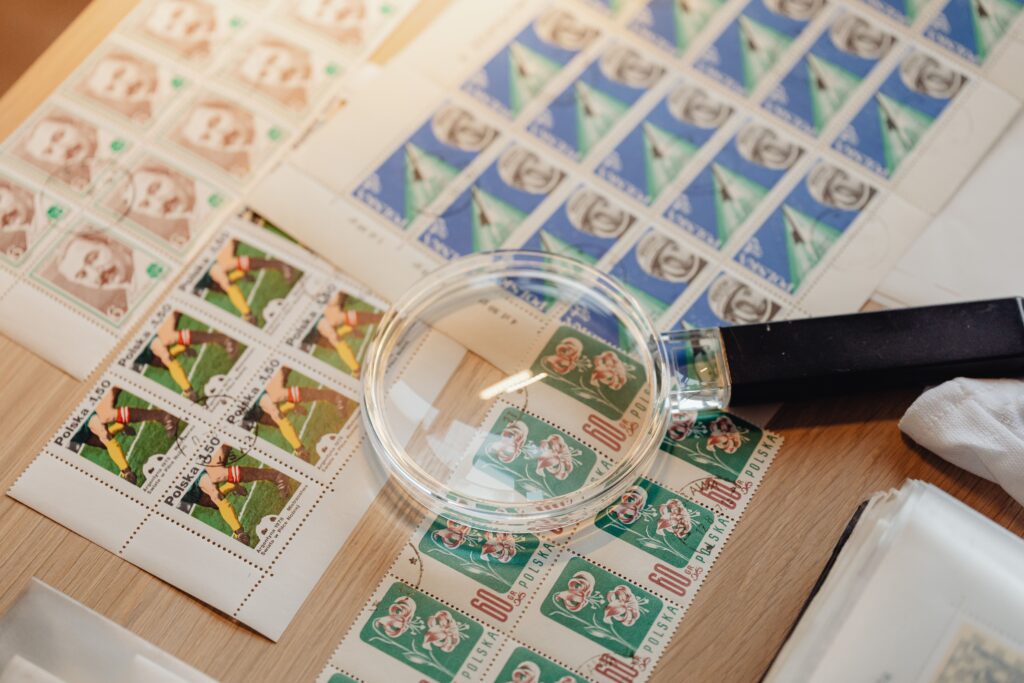
Collecting, on the other hand, is not inherently problematic. In fact, collecting is extremely common.
Susan Box Mann, in her article about collecting, suggests that almost everyone collects something, sometimes without even realising it:
“Almost everyone collects something. Sometimes a collector does not even realise they can be called one. For example, the person who clips and saves recipes is a collector of recipes. We even have a name for someone who collects everything compulsively – a hoarder.”
The key difference is not simply how much you own. A genuine collection is usually intentional, meaningful to the collector and, importantly, manageable.
A collection can bring pleasure. It can reflect your interests, memories, knowledge or passions. It can also be carefully organised and displayed so that you can actually enjoy it.
Clutter, by contrast, tends to accumulate without a clear purpose. It can make it difficult to find things, use your space effectively and enjoy your home.
And hoarding is something different again. For someone experiencing hoarding disorder, the difficulty isn’t simply being untidy or having too many possessions. There is often a profound emotional attachment to possessions and significant distress associated with discarding them.
Understanding the difference matters. It allows us to look honestly at our belongings without labelling every collection as clutter – while also recognising when our attachment to possessions may be preventing us from living comfortably in our own homes.
trabantbettina

Bettina Anna Trabant, Founder of Life Organised, your professional organising and decluttering service in East London. Eco-conscious minimalist and avid tea drinker,