A month without social media: Introduction
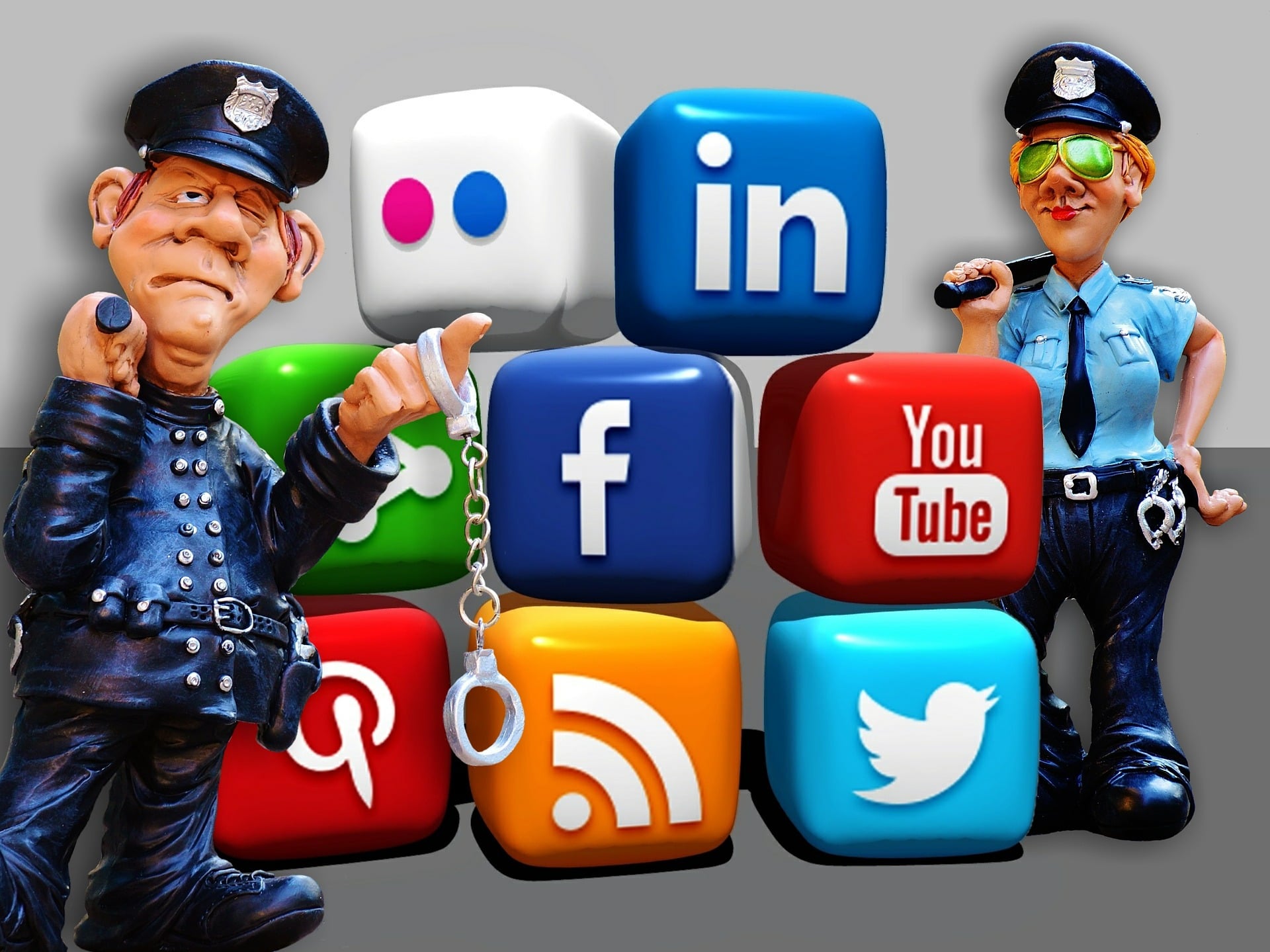
As part of my year of monthly self-experiments, I spent May on a Social Media detox. But before I give you an update on how I got on, I will briefly analyse what social media is and why it is considered bad.
What is Social Media and Why Is It Bad?
“Social media is addictive precisely because it gives us something which the real world lacks: it gives us immediacy, direction, a sense of clarity and value as an individual.” — David Amerland, The Social Media Mind. (Goodreads)
Social media refers to online platforms and applications that enable users to create, share, and interact with content and connect with others across the globe. Popular examples include Facebook, Instagram, Twitter, TikTok, and Snapchat. These platforms have revolutionised the way people communicate, access information, and entertain themselves. Despite its many benefits, social media also has significant drawbacks that can negatively impact individuals and society.
Social media is a collection of digital tools and websites that facilitate social interaction. Users can post photos, videos, and messages; follow or friend others; join groups; and participate in discussions. The primary goal is to foster communication and community building. Social media has transformed traditional communication methods, making it faster, more accessible, and more interactive.
Why Is Social Media Considered Bad?
“How do we consume as much of your time and conscious attention as possible?” — Cal Newport, describing the design philosophy behind social media platforms in Digital Minimalism. (Goodreads)
While social media offers numerous advantages, there are several reasons why many consider it harmful:
1. Mental Health Issues
Excessive use of social media has been linked to increased anxiety, depression, loneliness, and low self-esteem. Constant comparison with others and the pursuit of validation through likes and comments can negatively affect mental well-being.
2. Addiction and Time Consumption
Social media platforms are designed to be addictive, encouraging users to spend hours scrolling through feeds. This can lead to wasted time, decreased productivity, and neglect of real-life relationships and responsibilities.
3. Spread of Misinformation
Social media can be a breeding ground for false information, rumours, and conspiracy theories. The rapid dissemination of inaccurate content can influence public opinion and even impact elections and public health.
4. Cyberbullying and Harassment
Anonymity and lack of accountability on social media can lead to cyberbullying, harassment, and hate speech. Victims may suffer severe emotional distress, and in extreme cases, it can lead to self-harm or suicide.
5. Privacy Concerns
Sharing personal information on social media can lead to privacy breaches, identity theft, and targeted advertising. Users often underestimate how much personal data they reveal online.
6. Impact on Real-Life Relationships
Over-reliance on virtual interactions can weaken face-to-face relationships, reduce social skills, and lead to social isolation.
Conclusion
Social media is a powerful tool that can connect people, spread information, and foster community. However, its negative effects on mental health, privacy, and societal well-being cannot be ignored. It is essential to use social media responsibly, set boundaries, and stay aware of its potential harms to maximise its benefits while minimising risks.
How did I get on
“Social media is not about the technology. It’s about the human experience.” — Simon Sinek
Apart from one or two instances where I googled something and it took me to a Facebook or Instagram page, I stuck to my experiment and spent zero time on social media.
While overall I can’t say I missed social media much, there were times when it would have been useful to be on it to check events, dates, or message someone.
Social media has changed since its early days, when it was about real connection with friends and relatives far away. Today, social media is just a big attention suck and waste of time. A lot of the posts you get shown are AI-generated videos, ads or stuff irrelevant to your life.
“Social media not only snatches your time, but it also teaches you attention deficiency.”
— Neeraj Agnihotri, Procrasdemon. (Goodreads)
In the future, I will not delete my social media accounts, but I will be more mindful about how much time I spend on them. I need social media to promote my services and business and I need it for my political work.
trabantbettina

Bettina Anna Trabant, Founder of Life Organised, your professional organising and decluttering service in East London. Eco-conscious minimalist and avid tea drinker,